Peripheral Neuropathy Management: Causes and Personalized Plans
May 20, 2026
Understanding Peripheral Neuropathy
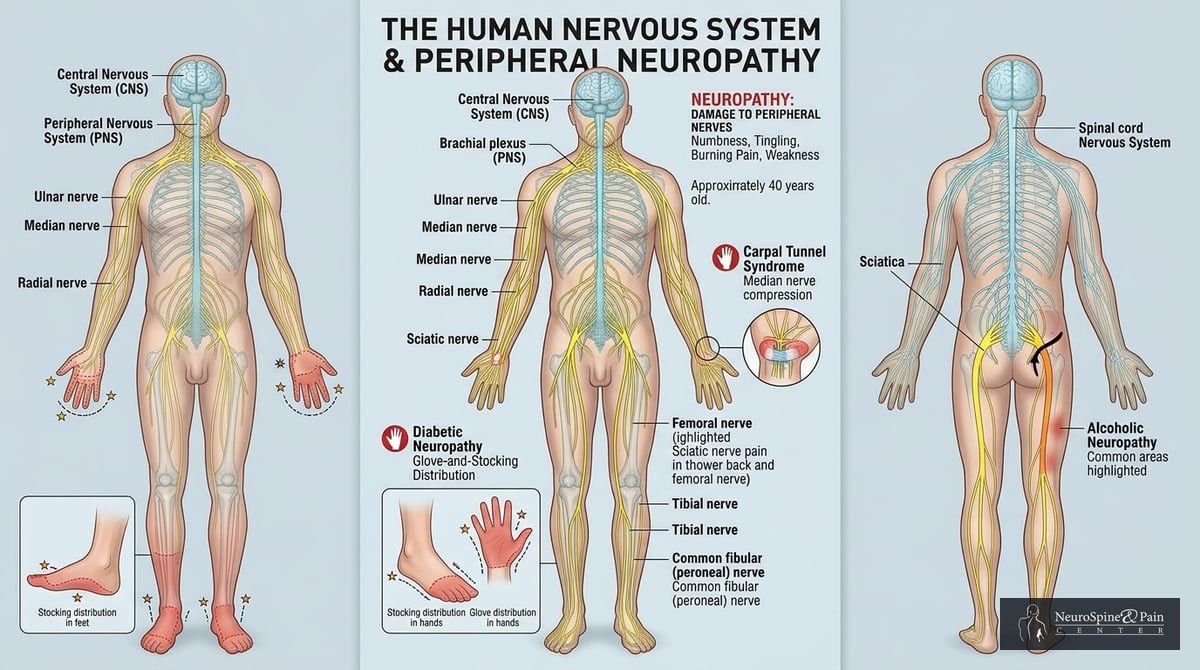
Peripheral neuropathy is a medical condition involving damage to the peripheral nerves that carry signals from the brain and spinal cord to other parts of the body. This condition can manifest in various ways, including numbness, tingling sensations, pain, and muscle weakness. Individuals suffering from peripheral neuropathy often experience significant challenges in their daily lives, including mobility limitations and chronic pain.
The causes of peripheral neuropathy are multifactorial, ranging from metabolic issues like diabetes and vitamin deficiencies to autoimmune diseases, toxins, and certain medications. Understanding the precise cause of a patient’s peripheral neuropathy is essential for devising an effective, personalized treatment plan. At NeuroSpine & Pain Center, we approach peripheral neuropathy management through a comprehensive assessment that includes a detailed medical history, physical examination, and diagnostic tests.
Our multidisciplinary team, including board-certified neurologists and pain specialists, aims to not only treat the symptoms but also address the underlying causes. This may involve lifestyle changes, such as diet and exercise modifications, medications to manage pain and discomfort, and physical therapy to enhance mobility. Many patients find that a tailored approach yields significant improvements in both their symptoms and overall quality of life.
Causes of Peripheral Neuropathy
Peripheral neuropathy can stem from numerous conditions. Some of the most common causes include:
Diabetes Mellitus: This is the leading cause of peripheral neuropathy. Chronic high blood sugar levels can cause nerve damage over time.
Alcohol Abuse: Excessive alcohol consumption can lead to nutritional deficiencies affecting nerve health.
Medications: Some medications, especially those used in chemotherapy, can be neurotoxic.
Genetic Disorders: Conditions like Charcot-Marie-Tooth disease can result in hereditary peripheral neuropathy.
Autoimmune Diseases: Diseases that attack the body's own tissues, such as lupus and rheumatoid arthritis, can affect nerve function.
Recognizing the factors contributing to peripheral neuropathy is crucial. The treatment strategy must focus on these underlying causes. For instance, managing diabetes effectively can halt the progression of neuropathic symptoms. Additionally, chronic pain and mobility limitations can be addressed through physical therapy and lifestyle changes tailored to the patient’s specific needs.
Personalized Plans for Management
At NeuroSpine & Pain Center, we understand that no two patients experience peripheral neuropathy in the same way. Our approach emphasizes personalized treatment plans designed around your unique symptoms, underlying causes, and lifestyle factors. The management of peripheral neuropathy typically involves a combination of:
Medication: Pain relief can often be achieved with medications such as anti-inflammatory drugs, anticonvulsants, or topical treatments.
Physical Therapy: A customized physical therapy program can help improve mobility, strength, and coordination. This is particularly important as many patients may experience balance issues due to nerve damage.
Weight Management: Maintaining a healthy weight is critical for individuals with diabetic neuropathy. Nutritional counseling may be part of the management approach.
Alternative Therapies: Techniques such as acupuncture, massage therapy, and the use of Botulinum toxin injections can provide additional relief for some patients.
Moreover, we prioritize a minimally invasive-first approach, meaning we explore all conservative options before considering more invasive procedures like surgery. Our commitment is to empower you with the knowledge and tools needed to manage your condition effectively and improve your quality of life.
Finding Relief and Regaining Quality of Life
For many individuals in South Florida, peripheral neuropathy can be a daily struggle impacting their quality of life. However, the good news is that effective management is possible. Our team at NeuroSpine & Pain Center is dedicated to offering the highest quality of care, focusing on evidence-based treatments that prioritize your comfort and recovery.
We encourage patients to actively participate in their care plans, seeking optimal relief while maintaining realistic expectations about outcomes. Through ongoing evaluations, we can adjust treatment plans as needed based on your feedback and progress. Our goal is to enhance your mobility, relieve pain, and restore function whenever possible. In doing so, we help you reclaim your activities and improve your everyday life.
If you or someone you know is struggling with symptoms of peripheral neuropathy, we urge you to reach out to our experienced team. Take the first step towards a pain-free life and discover the comprehensive, personalized care you deserve.
Common Questions
What is peripheral neuropathy?
Peripheral neuropathy is a disorder that occurs when nerves that carry messages to and from the brain and spinal cord from and to the rest of the body are damaged or diseased. This can lead to symptoms such as pain, tingling, numbness, and muscle weakness.
What causes peripheral neuropathy?
There are many potential causes of peripheral neuropathy, including diabetes, alcohol abuse, certain medications, genetic disorders, and autoimmune diseases.
How is peripheral neuropathy treated?
Treatment for peripheral neuropathy focuses on the underlying cause, pain management, and improving functionality. Options may include medications, physical therapy, and lifestyle changes.
Can peripheral neuropathy be cured?
While some causes of peripheral neuropathy can be treated and symptoms can improve, in many cases, the condition can be a lifelong issue that must be managed.
Who can help manage peripheral neuropathy?
Comprehensive care for peripheral neuropathy may involve neurologists, pain specialists, pain management specialists, and physical therapists.
This article was created with the help of AI. Images may also be AI-generated.
Neuro Spine and Pain Center's board-certified surgeons and pain management specialists have decades of experience using minimally invasive techniques for chronic spine and back pain in Key West, Homestead, Tavernier, Marathon, and South Florida.