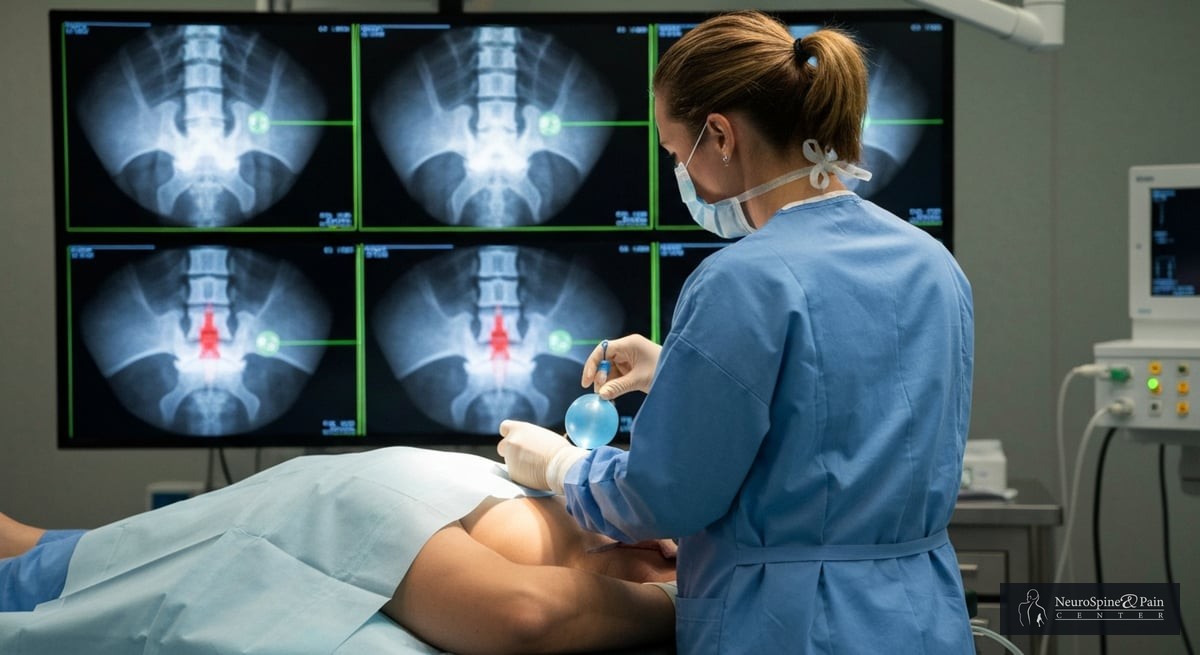
Kyphoplasty for Compression Fractures: Restoring Spine Stability
June 19, 2026
Understanding Kyphoplasty
Compression fractures, commonly caused by osteoporosis, trauma, or tumors, can lead to debilitating pain and diminished quality of life. These fractures occur when the vertebrae—the bones in the spine—become weakened and collapse, leading to a loss of height and significant discomfort. Patients often experience not just physical pain but also restriction in movements, contributing to a cycle of limited activity and worsening health. For instance, an individual who once enjoyed hiking may find themselves unable to navigate even short distances due to the intense pain from these fractures, leading to a decline in physical fitness and emotional health. It is not uncommon for individuals suffering from such chronic pain to report feelings of hopelessness as their physical condition prevents them from maintaining their social connections, nurturing relationships, or simply enjoying life’s small pleasures. In addition, some may develop anxiety or depression stemming from their inability to participate in previously enjoyable activities, essentially trapping them in a cycle of pain and isolation.
Kyphoplasty is an innovative, minimally invasive procedure that addresses this issue effectively. By restoring vertebral height and stabilizing the affected bones, kyphoplasty aims to alleviate pain and improve functionality. This procedure is performed under local anesthesia, which allows for a quicker recovery compared to traditional surgical methods. Many patients report a dramatic improvement in their day-to-day activities after the procedure, enabling them to return to hobbies they thought were lost forever. These activities can include not just physical activities but also social gatherings that contribute to emotional well-being, thereby enhancing their overall quality of life. In many cases, the renewed freedom of movement can also lead to a more active lifestyle, encouraging patients to socialize and engage with their communities, thus improving their mental health.
During the procedure, a small incision is made in the back, allowing a needle-like device to be inserted into the fractured vertebra. A balloon is carefully inflated within the vertebra, creating a cavity that restores the vertebra's height. This inflated space allows for the proper distribution of the injected cement, ensuring that it provides maximum support to the weakened bone structure. The medical-grade cement is specially formulated to harden quickly, often within minutes, allowing patients to see and feel the immediate benefits of the procedure, including pain reduction. Unlike traditional methods that may involve lengthy hospitalization or extensive rehabilitation, the entire process usually takes about an hour, and most patients are able to go home the same day, a significant advantage that enhances their recovery experience. Consequently, a reduced hospital stay also minimizes overall healthcare costs and the risk of hospital-acquired infections. This efficient approach not only benefits patients but also helps to alleviate the burden on healthcare systems, making kyphoplasty a sensible and effective treatment option for spinal compression fractures.
The Benefits of Kyphoplasty
Kyphoplasty offers numerous advantages for individuals suffering from compression fractures. Many patients report:
Significant Pain Relief: Most people experience immediate or rapid reduction in pain following the procedure, allowing them to engage in activities that were previously painful or impossible. For example, a 75-year-old woman may be able to stand upright and enjoy a family gathering without discomfort for the first time in months. This newfound ability to participate in family events can have lasting effects on emotional well-being, reducing feelings of isolation.
Improved Mobility: Enhanced spine stability leads to better function and mobility, fostering independence in daily activities. Patients often find they can perform basic tasks like bending down or lifting objects with less discomfort. This improvement often translates to a boost in confidence as patients engage in activities they might have avoided due to limitations caused by pain.
Restoration of Height: The inflation of the balloon and cement injection help restore the vertebra’s original height, which is crucial for overall spinal health. Restored height can also positively influence lung function and overall physical health, as the spine plays a vital role in supporting the thoracic cavity and enabling optimal breathing. Additionally, the psychological impact of regaining height cannot be understated, as it can restore patients’ self-image and encourage more social interactions.
Minimally Invasive Approach: With small incisions and minimal tissue damage, recovery times are shorter compared to traditional spinal surgeries. This approach often results in less scarring and a lower chance of complications, aligning with modern medical ideals of patient care. Moreover, a quicker recovery allows patients to return to their normal routines sooner, reducing the psychological burden of long recovery times. Quick recovery also enables patients to engage in gentle exercises and rehabilitation efforts sooner, enhancing the long-term success of the procedure.
Moreover, many patients have reported significant psychological benefits following kyphoplasty. The alleviated pain and enhanced mobility can lead to improved mental well-being and a more active, fulfilled life. Patients may experience a renewed interest in social activities, taking up hobbies like gardening or yoga, which they had abandoned due to pain. This positive shift is often reflected in their relationships, as improved functionality can lead to better relationships and increased social interactions, positively affecting their overall life satisfaction and happiness levels.
Who Should Consider Kyphoplasty?
Not every patient is a candidate for kyphoplasty. Ideal candidates typically include:
Individuals diagnosed with vertebral compression fractures caused by osteoporosis, trauma, or tumors. Conditions such as multiple myeloma can also lead to multiple fractures, making kyphoplasty a suitable option for those patients. It's crucial for these patients to be evaluated for their overall bone health, as further interventions, such as osteoporosis management, might also be needed. For example, a patient with multiple myeloma may require a more tailored treatment plan that considers their unique health profile.
Patients experiencing severe back pain that limits daily activities and has not improved with conservative treatments such as medication or physical therapy. In many cases, if the pain persists beyond six weeks despite these interventions, kyphoplasty might be considered. Those who find their pain is interrupting sleep or affecting their quality of life are often suitable candidates. This population is often desperate for solutions, as chronic pain can severely impact mental health.
Those who are generally healthy enough to undergo a minimally invasive procedure. Factors such as overall health status, underlying medical conditions, and age will be evaluated. A comprehensive evaluation by a specialist may also include imaging tests, such as X-rays or MRI scans, to assess the condition of the vertebrae accurately. These assessments ensure that the procedure is appropriate and safe for each patient’s specific circumstances.
It is essential to consult a specialist who can provide a thorough assessment of your condition and determine whether kyphoplasty is the right option for you. The Neuro Spine & Pain Center provides extensive evaluations to personalize treatment options catered to individual needs. This patient-centric approach ensures that all factors, including individual health history and lifestyle, are considered in the decision-making process. Understanding which factors may influence the success of the procedure can help set realistic expectations and prepare patients mentally for the recovery process. In doing so, the center aims to empower patients with knowledge, enabling them to feel confident in the choices they make regarding their health.
Conclusion and Next Steps
Kyphoplasty is an effective solution for those suffering from painful vertebral compression fractures. With its minimally invasive nature and significant benefits, many patients find relief and improved quality of life following the procedure. Post-treatment feedback often highlights both physical improvements, such as the ability to stand and walk without pain, and emotional gains, such as a renewed sense of independence. Many patients express gratitude for the regained ability to perform daily activities, like grocery shopping or playing with grandchildren, which had become daunting tasks due to pain. The emotional and psychological relief that comes with these improvements often resonates deeply, empowering patients to embrace life more fully.
If you are experiencing chronic pain or mobility limitations due to spinal issues, it could be time to explore your options. Early intervention can prevent further deterioration of the condition and enhance recovery outcomes. The longer one waits to address these issues, the more complicated they can become, potentially affecting the overall health and well-being of individuals. Taking proactive steps such as seeking consultation can lead to timely solutions that enhance quality of life.
At the Neuro Spine & Pain Center, we emphasize patient-centered care and thoroughly review all conservative treatment options before considering procedures like kyphoplasty. Our board-certified physicians are committed to your recovery and well-being. Moreover, we provide a supportive environment where patients can ask questions and learn about their conditions and treatment options extensively. This open communication fosters trust and allows patients to make informed decisions about their healthcare journey, ultimately leading to better outcomes and satisfaction.
Common Questions about Kyphoplasty
What is kyphoplasty?
Kyphoplasty is a minimally invasive procedure used to treat vertebral compression fractures. It involves inserting a balloon into the fractured vertebra and inflating it to restore height, followed by injecting a cement-like material to stabilize the bone.
Who is a candidate for kyphoplasty?
Patients with vertebral compression fractures due to osteoporosis, trauma, or tumors may be candidates. A thorough evaluation by a healthcare provider is necessary to assess the appropriateness of the procedure.
What are the benefits of kyphoplasty?
Benefits include pain relief, restored vertebral height, and improved mobility. Many patients experience significant improvements in quality of life, enabling them to engage in activities they previously avoided, thus enhancing their mental well-being.
What is the recovery time after kyphoplasty?
Recovery varies by individual, but most patients can resume normal activities within a few days post-procedure. The majority report a marked improvement in their pain levels and mobility shortly after the surgery, often being able to return to light activities almost immediately.
Are there risks associated with kyphoplasty?
As with any procedure, there are risks. These may include infection, bleeding, or cement leakage, though serious complications are rare. Discussing these risks in detail with your healthcare provider can help you make an informed decision regarding the procedure.
This article was created with the help of AI. Images may also be AI-generated.
Neuro Spine and Pain Center's board-certified surgeons and pain management specialists have decades of experience using minimally invasive techniques for chronic spine and back pain in Key West, Homestead, Tavernier, Marathon, and South Florida.