Endoscopic Spine Surgery: Faster Recovery for Disc Issues
May 20, 2026
Understanding Endoscopic Spine Surgery
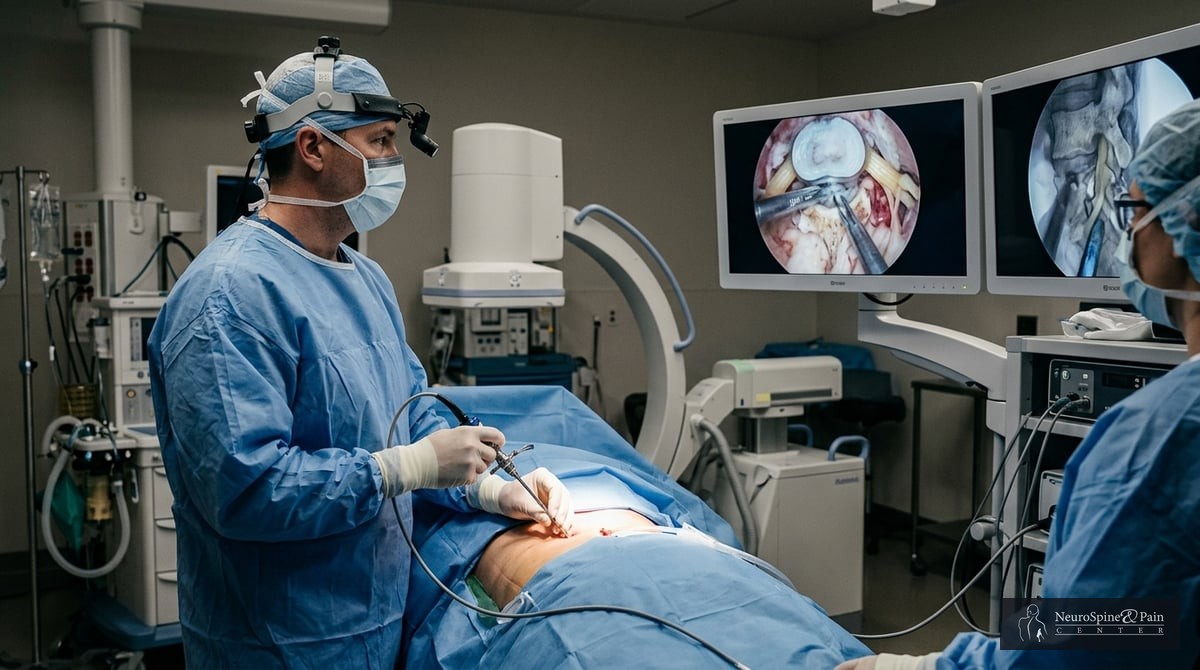
Endoscopic spine surgery is a minimally invasive procedure designed to treat various spinal disorders. This innovative surgical technique allows neurosurgeons to access the spinal canal and intervertebral discs through small incisions, significantly reducing tissue damage and promoting faster recovery rates. At Neuro Spine and Pain Center, our experienced physicians, including board-certified orthopedic spine surgeon Dr. Jon Gottlieb, utilize endoscopic techniques for conditions such as herniated discs and spinal stenosis.
The primary advantage of endoscopic spine surgery lies in its ability to minimize trauma to surrounding muscles and ligaments, leading to quicker healing times. Patients undergoing traditional open surgery often face longer recovery periods, whereas those opting for endoscopic approaches can return to daily activities in a fraction of the time. This is particularly valuable for individuals in South Florida, including Miami, Key Largo, and Key West, striving for improved mobility and quality of life.
Who is a Candidate for Endoscopic Spine Surgery?
Many patients with chronic pain, mobility limitations, or specific spinal disorders may benefit from endoscopic spine surgery. Common indications include:
Herniated Discs: When a disc bulges or ruptures, it can press on nearby nerves, causing pain, numbness, or weakness in the extremities.
Spinal Stenosis: A narrowing of the spinal canal that can lead to nerve compression and resultant back pain or sciatica.
Degenerative Disc Disease: As discs lose hydration and flexibility over time, they may contribute to chronic pain and discomfort.
Before considering surgery, our dedicated team explores conservative treatment options, such as physical therapy, pain management injections, and lifestyle modifications. When these methods provide insufficient relief, endoscopic spine surgery offers a promising solution for patients.
Benefits of Endoscopic Spine Surgery
This minimally invasive procedure presents several advantages over traditional surgical methods:
Reduced Recovery Time: Patients typically experience shorter downtime, often returning to normal activities within weeks compared to months for traditional surgeries.
Less Pain: Smaller incisions result in less postoperative pain, allowing for lower reliance on pain medications.
Minimal Scarring: The use of small incisions diminishes scarring, which can be a concern for many patients.
Lower Infection Rates: Due to reduced tissue exposure and damage, the risk of postoperative infections decreases substantially.
These benefits make endoscopic spine surgery an attractive option for individuals dealing with debilitating spinal conditions, enhancing their overall quality of life.
What to Expect During the Procedure
Endoscopic spine surgery generally involves several key steps:
Preoperative Assessment: Your physician will conduct a thorough evaluation, including imaging studies, to determine the appropriate surgical approach.
Anesthesia: Patients typically receive general anesthesia to ensure comfort during the procedure.
Surgical Access: Surgeons create a small incision near the target area, then insert a tube with a camera and instruments to visualize and treat the affected disc or spine area.
Disc Removal: If needed, damaged disc material is removed or addressed using advanced instruments with minimal disruption to surrounding tissue.
Closure and Recovery: After the procedure, incisions are closed, and patients are moved to recovery for monitoring before discharge.
Understanding the surgical process helps alleviate concerns and empowers patients to make informed decisions regarding their spinal health.
Postoperative Care and Recovery
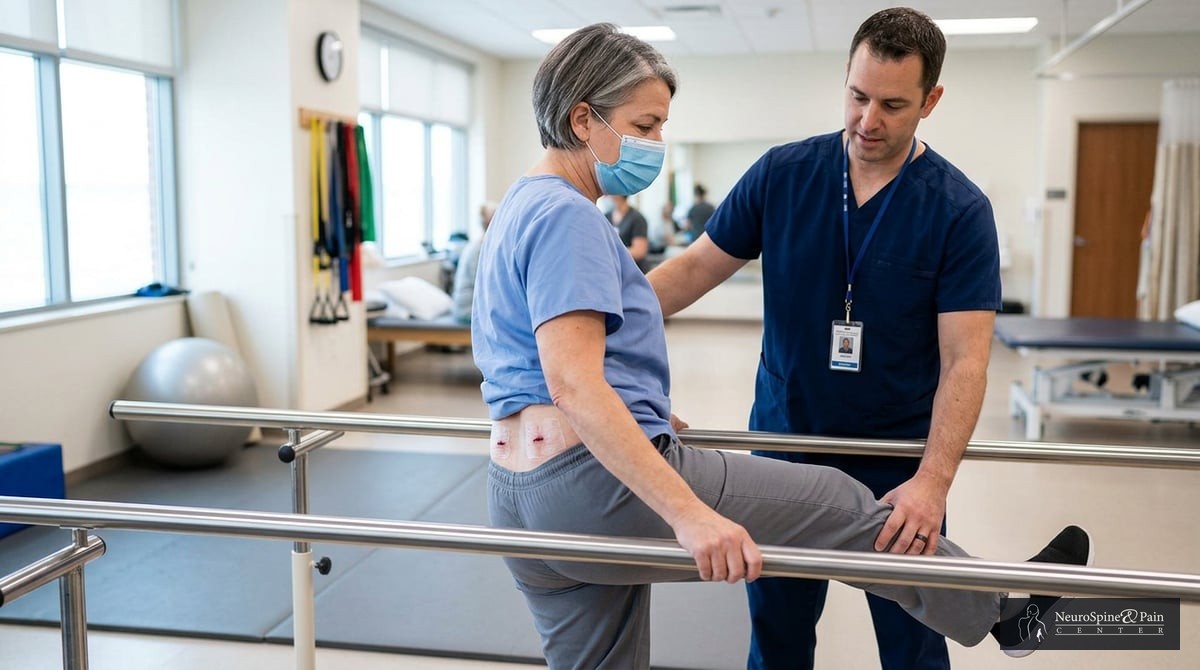
After endoscopic spine surgery, patients can expect a structured recovery plan designed to promote healing and restore function:
Rest and Activity Modification: Initially, patients may need to limit activities and follow specific guidelines provided by their care team.
Physical Therapy: Engaging in physical therapy can enhance recovery by strengthening surrounding muscles and improving flexibility.
Pain Management: Postoperative pain is typically mild, and patients will receive guidance on managing discomfort as they heal.
Follow-up Visits: Regular follow-up appointments allow the surgical team to monitor the recovery progress and adjust rehabilitation as necessary.
By closely following postoperative instructions, patients can maximize their recovery outcomes, regain mobility, and return to everyday activities sooner.
Ready to Improve Your Quality of Life?
If you are struggling with chronic pain due to disc issues or other spinal conditions, endoscopic spine surgery may be the right solution for you. At Neuro Spine and Pain Center, our multidisciplinary team of specialists, including board-certified physicians like Dr. William Schnapp, is dedicated to ensuring you receive the highest quality care.
We are committed to helping you explore your options and tailor a treatment plan that suits your needs. Don't let pain control your life; Chronic pain and mobility limitations can be effectively managed with the right approach. Contact us today to schedule a consultation with our experts and take the first step toward a pain-free life!
Common Questions
What conditions can be treated with endoscopic spine surgery?
Endoscopic spine surgery can effectively treat herniated discs, spinal stenosis, and degenerative disc disease. It is particularly beneficial for patients experiencing chronic pain or mobility issues.
How does the recovery time for endoscopic spine surgery compare to traditional surgery?
Patients undergoing endoscopic spine surgery typically experience a much shorter recovery time, often returning to normal activities within weeks rather than months.
Are there risks associated with endoscopic spine surgery?
While endoscopic spine surgery is minimally invasive and has fewer risks than traditional surgeries, potential risks include infection, bleeding, and nerve injury. Your physician will discuss these with you.
Is endoscopic spine surgery effective for chronic pain management?
Many patients report significant pain relief and improved function after endoscopic spine surgery, making it an effective option for chronic pain management.
This article was created with the help of AI. Images may also be AI-generated.
Neuro Spine and Pain Center's board-certified surgeons and pain management specialists have decades of experience using minimally invasive techniques for chronic spine and back pain in Key West, Homestead, Tavernier, Marathon, and South Florida.