Botulinum toxin, commonly known as Botox, is a neurotoxin produced by the bacteria Clostridium botulinum. Originally discovered as a cause of food poisoning, it has since been recognized for its therapeutic uses. It is primarily known for its cosmetic applications—such as reducing wrinkles—but has gained significant recognition in the medical field for treating various conditions, including chronic migraines and spasticity. In the context of chronic migraines, Botulinum toxin works by blocking the release of neurotransmitters that signal pain, thereby significantly reducing the frequency and severity of migraine attacks. This application was substantiated by multiple clinical trials, which demonstrated effectiveness in reducing headache days by more than 50% for some patients, shedding light on its impact on quality of life. For spasticity, particularly in conditions such as multiple sclerosis, stroke, or cerebral palsy, it helps relax overactive muscles, thereby improving mobility and comfort. For example, patients with spastic cerebral palsy often report a newfound ease in performing daily activities after treatment. By inhibiting the contraction signals of the muscles, patients can experience increased range of motion, improved physical function, and a marked reduction in discomfort associated with muscle tightness. Furthermore, this treatment allows individuals to engage more fully in social and recreational activities that may have once been hindered by their conditions.
The Mechanism of Action
The mechanism of Botulinum toxin in treating chronic migraines and spasticity is fascinating and effective. When injected, the neurotoxin binds to nerve endings and prevents the release of acetylcholine, a neurotransmitter involved in muscle contractions. In migraines, this results in reduced pain signaling pathways, impacting the central nervous system and attenuating the hypersensitivity that many chronic migraine sufferers experience. Extensive research has shown that the inhibition of neurotransmitter release does not only alleviate immediate pain but can also lead to a decrease in the frequency of migraine attacks over time. In spasticity, the reduction in muscle overactivity allows for controlled muscle function without significant weakness. This is particularly beneficial for individuals who find basic movements challenging due to muscle spasms or tension associated with their conditions. A notable example includes individuals recovering from stroke who may regain functional movement in their arms and legs after treatment. Moreover, patients often experience significant improvements in their overall quality of life, as they are able to regain functional movement, minimize debilitating pain, and engage more fully in their personal and social endeavors, which could enhance their mental and emotional health.
Applications of Botulinum Toxin
Botulinum toxin is used in various clinical applications beyond cosmetic procedures. In South Florida, specifically at NeuroSpine & Pain Center, board-certified specialists administer Botulinum toxin injections for:
Chronic migraine management, tailored to the individual patient's experience and triggers
Spasticity in conditions such as multiple sclerosis, stroke, and cerebral palsy, helping to restore a measure of control over muscle movements
Muscle spasms, including those caused by pathologies such as dystonia or certain neurological disorders, allowing patients to lead more comfortable lives
Excessive sweating (hyperhidrosis), which affects personal comfort and confidence in social situations, giving patients a new lease on life
Some urinary incontinence cases, providing relief for patients who have no other effective treatment options, thereby improving their social interactions
By leveraging the therapeutic benefits of Botulinum toxin, patients can achieve significant relief from their symptoms, which can transform their daily lives. Beyond just symptom management, patients report enhanced emotional well-being as they regain control over aspects of their life that were previously dominated by these conditions. For instance, patients suffering from chronic migraines may find themselves engaging in activities with family and friends once again. The diverse applications of Botulinum toxin not only highlight its versatility as a therapeutic agent in the medical field but also its capacity to improve quality of life across various demographics.
Who is a Candidate for Treatment?
Not everyone is a candidate for Botulinum toxin treatment. It is crucial for patients to undergo comprehensive evaluations by specialists to ascertain their eligibility. Generally, good candidates for this treatment include individuals who:
Experience chronic migraine episodes (15 or more days per month), a condition that can severely limit daily activities and quality of life
Have spasticity that affects mobility and quality of life, with potential impacts on personal independence and employment opportunities
Have tried other treatments with limited success, often after exhausting various pharmacological options that may not have provided adequate relief, highlighting the importance of targeted therapies
Are not pregnant or nursing to ensure safety for both the patient and the fetus or infant
Have no allergies to Botulinum toxin or its components, as potential allergic reactions could complicate treatment
Patients should engage in thorough discussions about their medical history and any contraindications during their consultation. Understanding the risks and potential side effects is critical in setting realistic treatment goals and expectations, and a transparent dialogue aids in fostering a collaborative treatment environment.
The Procedure and What to Expect
During a Botulinum toxin injection procedure, patients can expect the following:
Consultation: A thorough discussion of medical history, expectations, and a physical evaluation to ensure that treatment is appropriate for the patient’s needs.
Preparation: The treatment area will be cleaned, and patients may be asked to remain seated or lying down. Topical anesthetics may be applied to minimize discomfort, and some facilities may offer cold packs to further ease the injection process.
Injections: Using a fine needle, small amounts of Botulinum toxin are injected into specific muscles or areas. The number of injections varies based on the treatment area and the condition being addressed; for migraines, injections may be given in several sites around the head and neck, sometimes encompassing a pattern to target muscle groups effectively.
Post-Procedure Care: Patients are usually monitored for a short period before being discharged with detailed aftercare instructions. They may be advised to refrain from physical exertion immediately after treatment, as well as instructions on what to expect in the days following the procedure.
Results often appear within a few days but can take up to a month for the full effect. During this time, many patients note gradual improvement in their symptoms, with many able to resume normal activities immediately. Understanding this timeline helps manage expectations regarding when they might notice the benefits of treatment, thus encouraging patience and adherence to follow-up appointments.
Reduced frequency and intensity of migraines, allowing patients to reclaim time lost to debilitating headaches, hence improving productivity and personal time
Improved muscle control and reduced spasticity, enhancing physical functionality and quality of life, with benefits extending to family and social interactions
Minimal downtime with procedures typically scheduled in outpatient settings, making it accessible for busy individuals who need to balance various commitments
A favorable safety profile when administered by qualified professionals, with most patients experiencing only mild side effects, which are generally manageable
However, there are potential risks and side effects, such as:
Weakness in nearby muscles, which may necessitate adjustments in therapeutic approaches to avoid complications
Transient bruising at injection sites, which is typically mild and resolves quickly, often overlooked compared to the benefits
Headache following treatment, a common post-injection phenomenon that some patients could misattribute to their original condition
Flu-like symptoms that may occur as the body adjusts to the neuromodulatory effects, highlighting the importance of patient education
Patients should have thorough discussions about these risks with their healthcare providers, ensuring shared decision-making in their treatment plan. Awareness and understanding of potential outcomes, as well as clear communication about concerns, are vital components of effective treatment protocols.
Get Started on Your Path to Relief
If you are struggling with chronic migraines or spasticity, it is time to regain control of your life. Botulinum toxin treatments at NeuroSpine & Pain Center are administered by our board-certified physicians, who prioritize your well-being and comfort throughout the process. We offer personalized assessments and tailored treatment options to determine the best approach for you, considering your unique circumstances and health needs. With our team’s expertise, patients often find that they can manage their conditions more effectively than before, leading to enhanced daily functioning and life satisfaction.
Our facilities also embrace a holistic approach to treatment, often recommending adjunct therapies that can complement Botulinum toxin injections, such as physical therapy or lifestyle modifications. Don't let chronic pain dictate your life—take the first step toward relief today. Your journey to a better quality of life is just a consultation away.
Contact us to schedule your consultation and explore how Botulinum toxin can help improve your health and quality of life.
Common Questions About Botulinum Toxin
How long do the effects of Botulinum toxin last for migraines?
The effects typically last 12 weeks, at which point additional injections may be necessary, and many patients establish a schedule to maintain results.
Is the procedure painful?
Most patients report minimal discomfort due to the use of a fine needle, and many find the experience tolerable with only brief sensations of pain, often describing it as a pinching feeling.
Can anyone receive Botulinum toxin injections?
Not everyone is a candidate; consult with a specialist for personalized assessment, especially if there are underlying conditions or concerns. The evaluation process is critical to patient safety.
How soon can I expect relief from migraines?
Some patients begin to notice improvement within a few days, while full effects may take longer, typically around a month to stabilize, highlighting the importance of patience and follow-up.
Are there any long-term side effects?
Most side effects are temporary; long-term side effects are rare, particularly when proper protocols are followed by trained professionals, emphasizing the importance of skilled administration.
This article was created with the help of AI. Images may also be AI-generated.
Understanding Trigger Point Injections
Trigger point injections are a minimally invasive procedure designed to alleviate muscle pain and tension by directly targeting specific knots in the muscle, known as trigger points. These trigger points can develop due to various reasons such as overuse, injury, or chronic conditions, leading to discomfort and limited mobility. For instance, athletes may develop trigger points in their muscles due to intense workout regimens, with the cyclical stresses on their bodies fostering these painful knots. In contrast, office workers may experience tension in their shoulders and neck from prolonged periods of sitting due to poor posture, compounded by the static nature of their work environment. Additionally, stress can exacerbate these issues, further contributing to muscle tightness through physiological responses. Trigger point injections provide a practical solution for those suffering from chronic pain, especially when traditional therapies have not yielded significant relief.
The procedure involves injecting a mixture of anesthetics and/or corticosteroids into precise locations in the affected muscles. This targeted approach not only reduces pain but also helps relax the muscle, allowing for greater flexibility and function. For example, a person with myofascial pain syndrome may see improvements in daily tasks such as reaching for objects on high shelves or participating in physical activities they previously found painful. By alleviating discomfort in the trigger points, patients often experience an immediate improvement in their overall quality of life. This enhancement enables them to engage more fully in social and recreational activities, participate in exercise, and manage their daily responsibilities without being inhibited by pain. As a result, many discover a renewed enthusiasm for life, enriching their social interactions and daily experiences.
Who Can Benefit from Trigger Point Injections?
Trigger point injections can effectively treat a variety of conditions, including:
Chronic muscle pain: Conditions such as fibromyalgia may benefit from these injections, as they can target specific muscle groups often associated with widespread pain. This provides localized relief where patients need it most, helping to mitigate the overall discomfort felt throughout their bodies.
Myofascial pain syndrome: A condition characterized by persistent pain in specific muscle groups that may arise from acute injury or ongoing stress, often affecting neck, shoulders, and back muscles. Trigger point injections can be crucial in alleviating the persistent tightness felt in those specific areas.
Sports injuries: Strains and sprains often contribute to the development of trigger points. For example, a runner may develop trigger points in their calves or quadriceps due to repetitive impact, which can be effectively treated with injections. This therapy promotes quicker recovery times, allowing them to return to their training regimens to improve performance without reinjuring themselves.
Stress-related tension: Emotional stress can lead to muscle tightness and discomfort, making trigger point injections particularly useful for individuals experiencing stress-induced tension headaches or neck pain that arises from long hours at a desk. Patients often report a marked reduction in these stress-related symptoms following treatment.
Many patients visiting the Neuro Spine & Pain Center in South Florida report significant relief from their symptoms, enabling them to engage more fully in daily activities and improve their overall well-being. Additionally, studies show patients often experience a revitalized sense of energy and motivation to participate in their favorite hobbies, such as gardening, sports, or even social gatherings, activities they previously avoided due to debilitating pain. Ultimately, the holistic benefits of trigger point injections extend beyond pain management, positively impacting mental health and overall satisfaction with life as patients reclaim their abilities to enjoy life.
The Benefits of Trigger Point Injections
Trigger point injections offer numerous advantages for individuals experiencing muscle pain and tension:
Immediate relief: Many patients observe a rapid reduction in pain following the injection. For example, athletes may return to practice shortly after receiving treatment and experience a noteworthy alleviation of their symptoms within hours. They often feel ready to tackle their regimen without discomfort, increasing their training efficiency.
Minimally invasive: The procedure is quick and performed in an outpatient setting, allowing patients to return to their daily activities shortly afterward without the need for extended recovery times. This aspect is particularly beneficial for those with busy lifestyles, ensuring minimal disruption to their day-to-day routines.
Reduced medication usage: Successful treatment may decrease the reliance on oral pain medications, which can often come with undesirable side effects. This reduction is particularly beneficial for patients who wish to minimize their intake of opioids or non-steroidal anti-inflammatory drugs (NSAIDs), which can have side effects and risk dependency. As a result, patients might find rejuvenated hope in managing their pain with fewer pharmaceuticals, improving their overall health outlook.
Enhanced functional mobility: As muscle tension diminishes, patients can often achieve improved movement and flexibility. For instance, those with chronic back pain might find they can bend and twist more comfortably after treatment. Such improvements in mobility can significantly empower patients to engage in physical activities or sports they previously found difficult, enhancing their quality of life.
Research indicates that trigger point injections have a significant positive impact on patients' quality of life. In conjunction with comprehensive pain management strategies, such as physical therapy or rehabilitation exercises tailored to individual needs, these injections can serve as a vital component of a multidisciplinary approach to treatment. By integrating various therapeutic modalities, it maximizes overall results and patient satisfaction, making a significant difference in the lives of those afflicted by chronic pain.
What to Expect During the Procedure
Understanding the procedure can help alleviate any concerns you may have:
Initial consultation: During your first visit, a board-certified physician will assess your condition, review your symptoms, and determine if trigger point injections are an appropriate treatment option. They may also discuss your medical history and examine areas of discomfort to pinpoint potential trigger points, allowing for a personalized treatment plan tailored to your specific needs and underlying health conditions.
Procedure steps: The physician will clean the injection site, ensure your comfort, and administer the injection using a thin needle. They may utilize ultrasound imaging or other guidance techniques to ensure precise delivery of the medication, particularly in deeper muscles, which enhances the effectiveness of the injection by accurately targeting the source of pain.
Post-procedure care: Afterward, you may experience some soreness or swelling at the injection site, but these effects typically resolve quickly. It's essential to follow recommended post-care instructions, which may include avoiding heavy physical activity for a brief period. This precaution helps allow the muscles to heal properly, promoting optimal recovery.
Patients are encouraged to engage in gentle activities post-procedure, such as light stretching and gradual return to normal routines, to facilitate recovery and maximize the benefits of the treatment. Many find that incorporating relaxation techniques, like deep breathing exercises or yoga, helps further reduce muscle tension and promotes a profound sense of overall well-being. Mindfulness practices can enhance both physical and emotional relaxation for sustained positive outcomes.
Results and Follow-Up
The results from trigger point injections can vary among individuals, but many report significant pain reduction and improved mobility, influencing daily life positively. For instance, some patients may experience an immediate lifting of pain that allows them to resume activities like playing with their children or walking their dog comfortably, leading to a restoration of cherished routines. It is not uncommon for patients to require multiple sessions, typically spaced out over a few weeks, to achieve optimal results and sustained relief. Your physician will closely monitor your progress and may recommend adjunct therapies such as physical therapy, targeted exercises, or massage therapy to enhance recovery. These modalities can complement the effects of the injections to improve overall outcomes.
Follow-up appointments are essential to ensure that the treatment is effective and to make any necessary adjustments to your pain management plan. Ongoing communication with your healthcare provider at the Neuro Spine & Pain Center will be vital for maintaining your functional mobility and quality of life. They may also use your feedback to modify treatment plans, incorporate additional therapeutic options, or schedule further interventions if needed. This ensures a tailored approach to your pain management journey that adapts to your evolving needs.
Take the Next Step Towards Relief
If you are experiencing persistent muscle pain and tension, trigger point injections may provide the relief you are seeking. At Neuro Spine & Pain Center, our multidisciplinary team, led by board-certified specialists, is dedicated to developing personalized treatment plans that focus on your individual needs. We consider a holistic view of your health to ensure a comprehensive approach to pain management, addressing not only the physical aspect of pain but also integrating mental health resources, lifestyle modifications, and supportive therapies to aid your recovery.
Contact us to schedule a consultation and learn how trigger point injections can help you lead a more active and pain-free life. By addressing pain at its source, we aim to empower you in achieving your health and wellness goals, transforming the way you engage with life. Your journey towards a more fulfilling, pain-free lifestyle can begin today with a simple call for guidance and support. Our opportunities for relief extend beyond injections, fostering a collaborative environment to explore various strategies suited to your unique challenges.
Common Questions About Trigger Point Injections
How long does the relief from trigger point injections last?
The duration of relief varies by patient but can last from days to several months, depending on the condition and individual response to treatment. Factors such as the nature of the trigger point and prior treatment history can influence these outcomes.
Are there any risks associated with trigger point injections?
As with any medical procedure, there are potential risks, including infection, bleeding, and temporary soreness at the injection site. However, serious complications are rare, and the benefits often outweigh the risks for many patients seeking relief.
How many injections will I need?
The number of injections needed varies individually. Some patients may experience immediate relief after one session, while others might require multiple treatments to achieve sustained results, sometimes depending on factors such as severity of pain, the number of trigger points, and response to therapy.
Will my insurance cover trigger point injections?
Most insurance plans cover trigger point injections when deemed medically necessary. It is advisable to check with your provider to confirm coverage specifics and any requirements for pre-authorization, as this can vary by policy and provider.
This article was created with the help of AI. Images may also be AI-generated.
Understanding Sacroiliac Joint Pain
Sacroiliac joint (SI joint) pain occurs where the pelvis connects to the spine. This joint can experience dysfunction or inflammation due to various factors, leading to significant discomfort. The SI joint's role in load transfer between the upper body and lower body makes it essential for mobility and stability. It acts as a crucial shock absorber and stabilizer, ensuring that forces are evenly distributed during movement, which is especially important during activities like walking, running, or lifting.
Many patients report that SI joint pain can be felt in the lower back, buttocks, or even radiate down the legs. This discomfort often increases with prolonged sitting or standing and may be aggravated by specific movements or physical activities, such as climbing stairs, lifting heavy objects, or participating in certain sports activities like running or cycling. It is also common for individuals to experience pain when transitioning from sitting to standing, a movement that puts extra stress on the joint. Additionally, the pain may also influence gait, as individuals may unconsciously alter their movements to avoid discomfort, potentially leading to additional issues over time, such as chronic muscle strain or posture problems, which can complicate recovery.
Common causes of SI joint pain include:
Injury or trauma to the area, such as a fall or car accident, can lead to acute pain. For instance, athletes often experience such injuries during high-impact sports, where a sudden jolt or awkward landing can strain the joint.
Arthritis, which can lead to inflammation; degenerative types of arthritis may particularly affect older patients and contribute to chronic pain as joint cartilage wears down. Rheumatoid arthritis and osteoarthritis are notable examples where joint health can significantly deteriorate.
Pregnancy and childbirth-related changes can create hormonal fluctuations that loosen ligaments, putting additional stress on the SI joint, often causing discomfort that may require targeted therapeutic measures. Research indicates that approximately 50% of pregnant women report SI joint pain at some point during their pregnancy.
Biomechanical issues such as leg-length discrepancies or hip abnormalities may cause uneven stress, leading to SI joint pain. For example, people with flat feet or high arches can develop abnormal gait patterns, contributing to SI joint stress, which highlights the importance of addressing foot mechanics in treatment strategies.
Diagnosis of SI joint pain typically involves a comprehensive assessment that may include physical examinations, imaging studies like X-rays, MRIs, and diagnostic injections to ascertain the precise source of the discomfort. Healthcare providers might also explore a patient's medical history and symptom patterns to aid in diagnosis. Clinical assessments may consist of physical tests, such as the Patrick's test or the Gaenslen's test, that isolate the SI joint, helping the healthcare provider determine if it is indeed the source of pain. Once diagnosed, effective treatment options can enable patients to regain mobility and alleviate pain. Physical therapy, medications, and more specialized interventions such as injections or surgery may be discussed based on the severity and underlying cause of the pain, allowing for tailored management strategies to suit individual patient needs.
Injections for Sacroiliac Joint Pain Relief
Injections can play a vital role in managing sacroiliac joint pain. The primary types of injections used include corticosteroid injections and local anesthetic injections. These treatments aim to reduce inflammation and provide pain relief, serving as both diagnostic and therapeutic strategies that can significantly impact patient quality of life.
Corticosteroid injections deliver anti-inflammatory medication directly into the SI joint, often providing significant relief for an extended duration. Typically, patients may experience relief lasting weeks to months, depending on the severity of the inflammation and individual response to the medication. These injections can help restore normal function and mobility, allowing patients to return to daily activities, such as walking or exercising, with less pain. Local anesthetic injections, on the other hand, provide immediate pain relief and help determine the source of pain. This can be especially useful in cases where other tests have been inconclusive in isolating the SI joint as the pain origin, enabling quicker diagnosis.
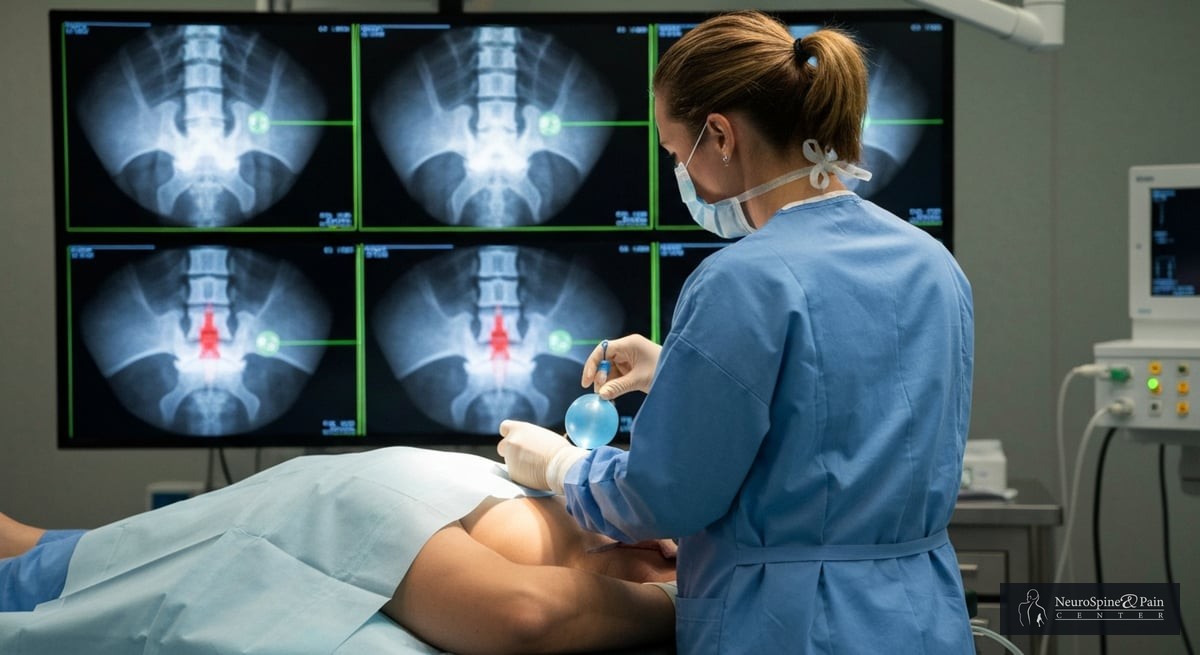
For patients considering injections, the procedure is typically performed on an outpatient basis, allowing individuals to return home the same day. Patients will usually experience some discomfort during the injection, but it is generally brief and accompanied by post-procedural instructions to ensure their recovery. Many patients report minimal downtime, often returning to normal activities within a few days. The use of imaging guidance during injections, such as fluoroscopy or ultrasound, increases the accuracy and effectiveness of the procedure, minimizing the risks associated with improperly placed injections, which is paramount for successful outcomes.
Qualified pain management specialists at NeuroSpine & Pain Center can evaluate whether injections are appropriate based on your specific condition, taking into account your overall health status and specific pain characteristics. They may discuss potential risks and benefits—including, but not limited to, allergic reactions or temporary increases in pain—ensuring that patients make informed choices regarding their pain management. With a careful assessment, the healthcare team can devise an individualized pain relief plan that harnesses the effectiveness of injections alongside other therapeutic modalities, enhancing overall treatment efficacy.
Sacroiliac Joint Fusion: A Surgical Approach
For individuals who do not respond to conservative treatments, sacroiliac joint fusion may be considered. This procedure aims to stabilize the SI joint by permanently fusing the bones together, relieving pain associated with joint movement. It is essential for patients to have explored and exhausted non-surgical options before considering this significant decision, which can impact daily life and functionality.
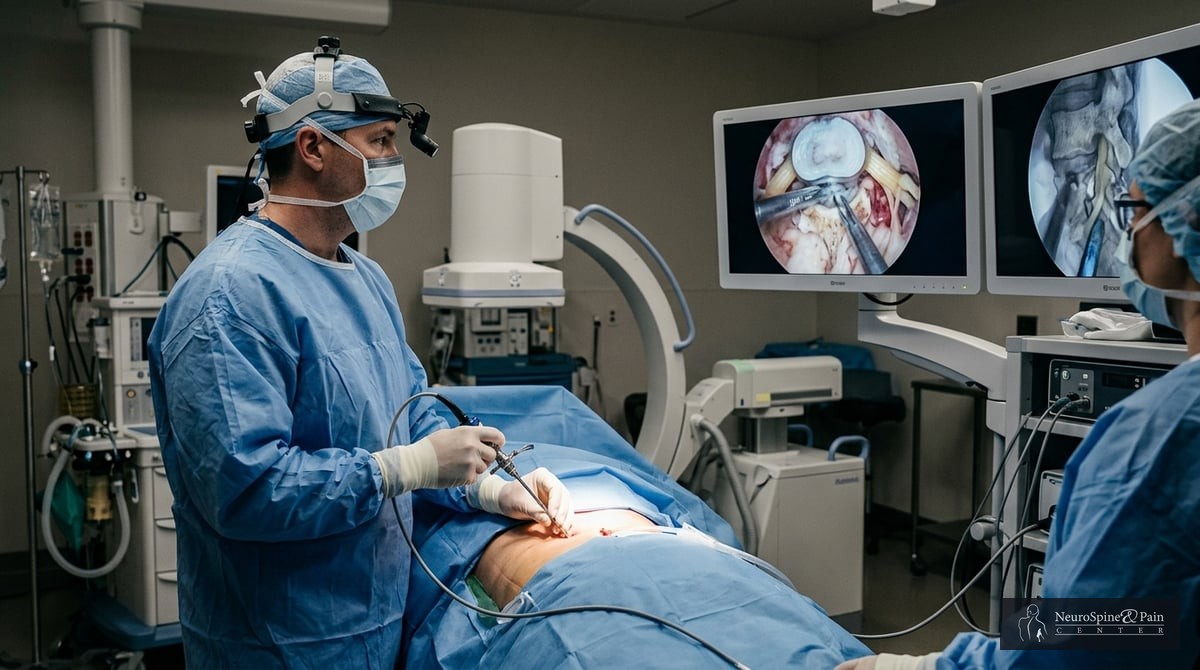
The fusion process involves making a small incision and inserting implants that assist in merging the joint surfaces. Advanced techniques allow this procedure to be minimally invasive, often resulting in shorter recovery times and reduced postoperative pain. Surgeons utilize advanced imaging techniques, such as intraoperative fluoroscopy, during the procedure to ensure precise placement of the fusion devices, which can greatly enhance recovery and outcomes. Surgeons often use bone grafting material to aid the fusion process, which helps accelerate healing by encouraging the body’s natural bone growth; some may even utilize patient-derived bone to optimize success rates.
Patients undergoing sacroiliac joint fusion typically experience significant improvements in pain and function. Clinical studies have demonstrated that many patients report improved mobility and decreased pain levels post-surgery, leading to a more active and fulfilling lifestyle. Some patients may regain the ability to engage in physical activities like running or playing sports, which they previously found impossible due to pain. It is worth noting that the majority of patients express satisfaction with their surgical outcomes and report enhanced quality of life. However, the decision to pursue surgery should always involve a thorough discussion with a qualified healthcare provider, considering all potential risks such as infection, nerve damage, and the possibility that the procedure may not alleviate pain as intended.
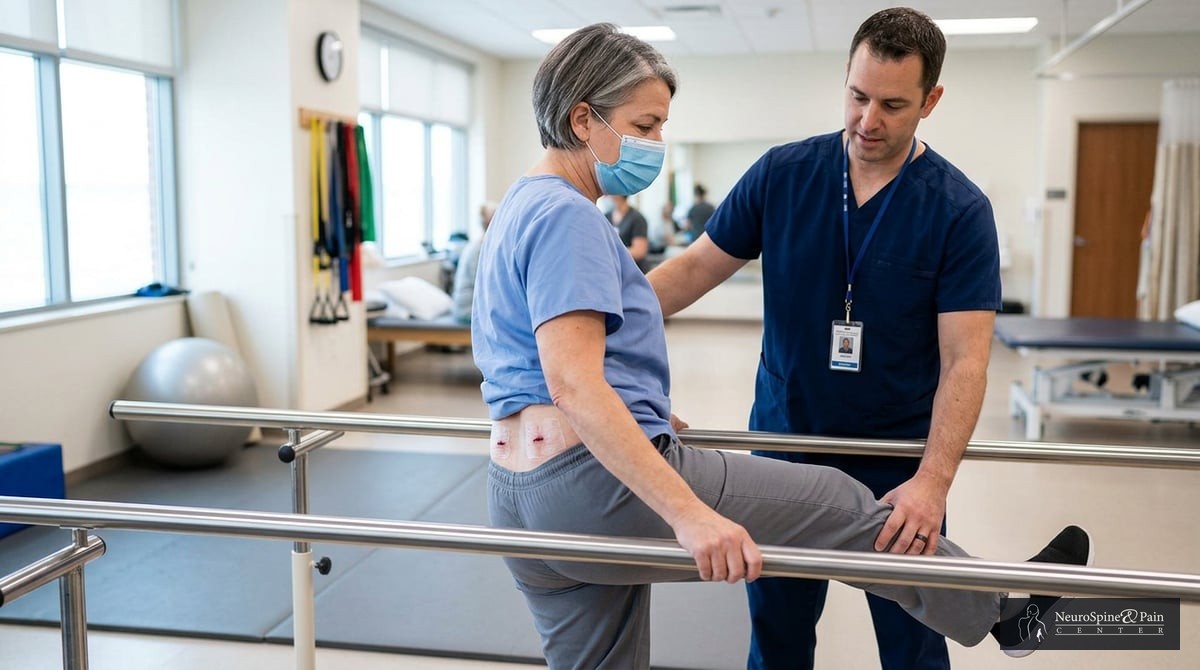
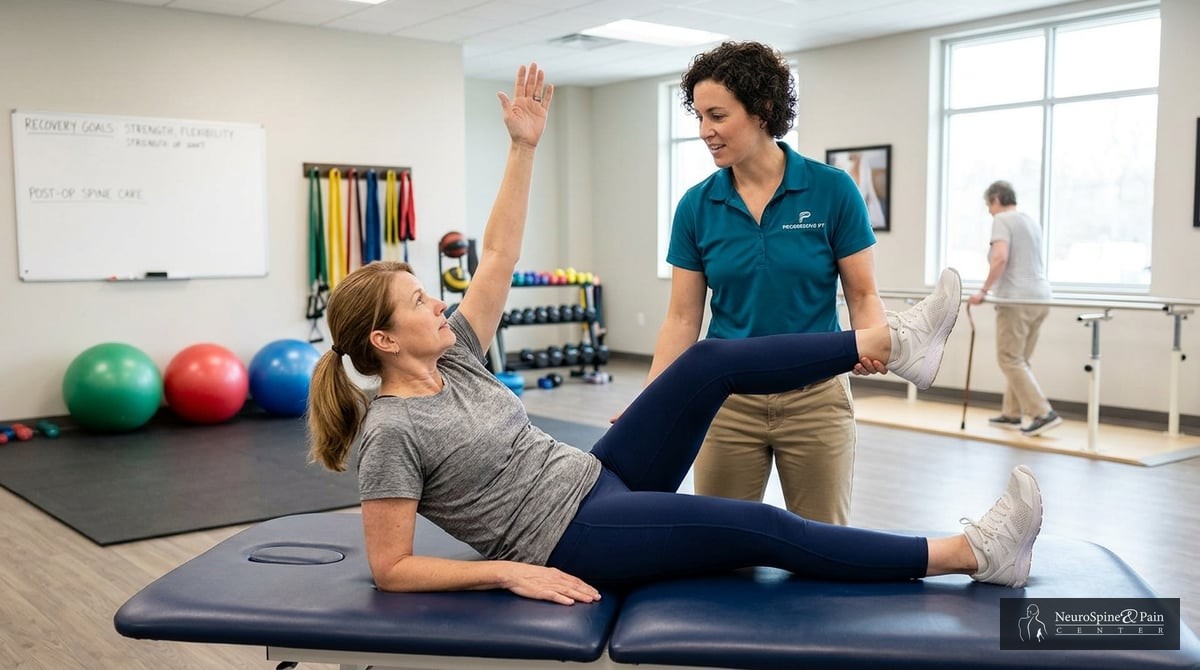
Recovery from sacroiliac joint fusion varies by individual, but patients can expect a structured rehabilitation plan that helps restore mobility and strength over time. This rehabilitation may include physical therapy focused on strengthening surrounding muscles and improving flexibility, which is crucial for a successful recovery. Patients are often encouraged to gradually increase their activity levels as they heal, taking care to listen to their bodies. Regular follow-ups are essential to monitor progress and adjust the recovery protocol to ensure optimal outcomes, often involving pain assessments and functional mobility checks to gauge the effectiveness of the surgery. Following this protocol not only aids in recovery but can also provide valuable insights for preventive measures for the future.
Take the First Step Toward Relief
At NeuroSpine & Pain Center, our dedicated team of specialists focuses on providing personalized treatment plans for sacroiliac joint pain. If you struggle with discomfort that affects your daily activities and quality of life, we encourage you to take the first step toward recovery. Our approach is holistic, prioritizing the patient experience and exploring all potential avenues for relief.
Our comprehensive approach ensures that we explore all conservative treatment options before considering surgical intervention. We prioritize minimally invasive solutions, utilizing the latest techniques and technology to provide you with the best possible outcomes. Additionally, we work closely with each patient to create tailored treatment plans based on their specific pain profiles and lifestyle needs, which could include medications, physical therapy, and injections, as well as alternative therapies such as chiropractic care or acupuncture, enhancing the effectiveness of the overall management process.
Schedule an appointment with our board-certified physicians today. Let us help you manage your pain and improve your mobility, guiding you through the journey toward a more active, pain-free life. Our compassionate team understands the challenges of living with chronic pain, and we strive to empower our patients to reclaim their lives through effective management strategies. By fostering a collaborative environment, we engage patients in their treatment journey, ensuring that they remain informed and active participants as we navigate the best paths forward together, ultimately building a partnership based on trust and shared goals for health.
Common Questions
What causes sacroiliac joint pain?
Sacroiliac joint pain can be caused by various factors, including trauma, arthritis, pregnancy-related changes, and biomechanical issues. Injuries to the joints due to accidents or excessive strain can lead to inflammation and pain, significantly impacting daily activities like walking or sitting. Other potential causes might include postural problems, which can exacerbate discomfort in those with pre-existing conditions.
How are injections used for treating sacroiliac joint pain?
Injections of corticosteroids or anesthetic can reduce inflammation and pain in the sacroiliac joint, providing relief for several weeks. These injections serve both diagnostic and therapeutic purposes by confirming the source and alleviating symptoms, offering patients a chance to regain a more active lifestyle and improve their overall quality of life.
What does sacroiliac joint fusion involve?
Sacroiliac joint fusion is a surgical procedure that aims to stabilize the joint by permanently fusing the bones together, typically involving minimal invasion. The procedure often relies on advanced imaging for accuracy during surgery and uses bone grafting to promote healing after fusion, with many patients benefiting from this innovative approach.
What should I expect during recovery from surgery?
Recovery from sacroiliac joint fusion can take several weeks, with gradual return to normal activities guided by your physician. A structured rehabilitation program, including physical therapy and regular follow-ups, is often recommended to facilitate healing and regaining strength for an improved quality of life. Patients are also encouraged to proactively participate in their recovery process, remaining mindful of their bodies' signals.
This article was created with the help of AI. Images may also be AI-generated.
Understanding Carpal Tunnel Syndrome: An Overview
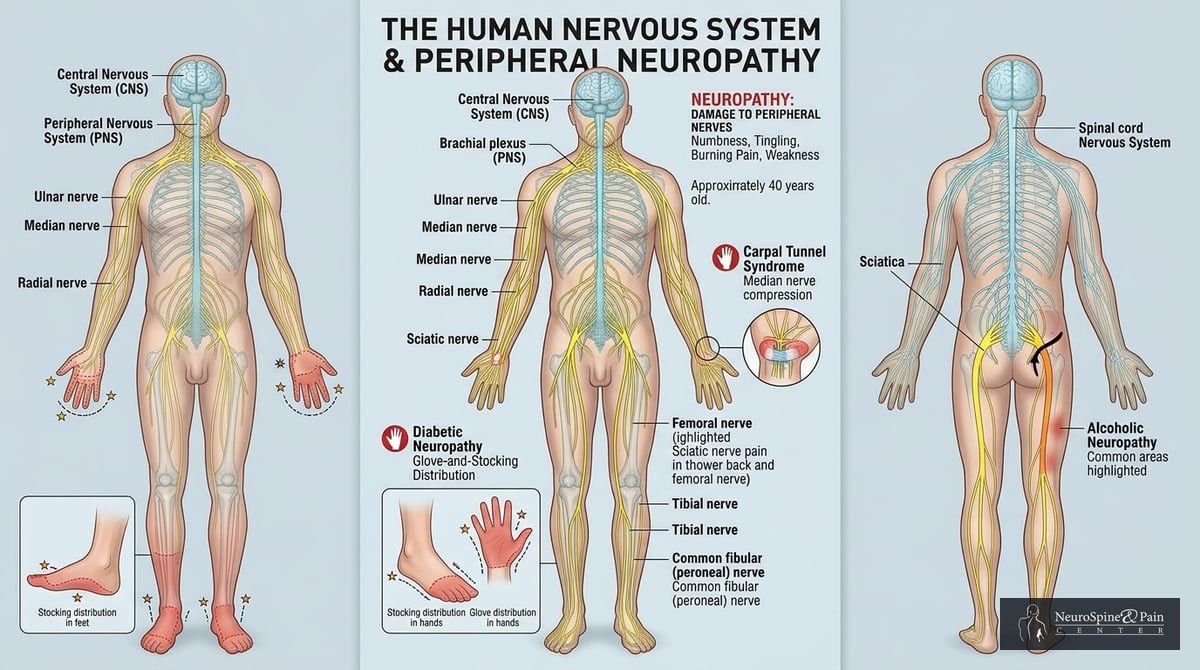
Carpal Tunnel Syndrome (CTS) is a prevalent condition that arises when the median nerve, which runs from the forearm into the palm of the hand, becomes compressed as it navigates through a narrow passageway known as the carpal tunnel. This tunnel is defined by the carpal bones on the bottom and the transverse carpal ligament on the top. The median nerve is crucial as it controls sensations to the palm side of the thumb and fingers, excluding the little finger, and it also supplies impulses to some muscles in the hand that allow for proper grip and dexterity.
When inflammation or swelling occurs, often due to repetitive motions, it can constrict this passageway, resulting in pressure on the median nerve. This leads to a spectrum of symptoms, which can range in severity and frequency. Common symptoms include:
Tingling or burning sensations in the fingers or hand, commonly referred to as paresthesia. This sensation can feel like pins and needles and may occur intermittently or persistently, often exacerbated by certain actions like gripping objects or using a keyboard.
Numbness in the thumb, index, middle, and part of the ring fingers, which can make everyday tasks such as typing or buttoning a shirt challenging. Many individuals report dropping items unintentionally due to the loss of sensation, leading to frustration and difficulties in daily life.
Weakness in grip strength, which may prevent individuals from carrying bags or performing manual tasks, impacting both personal and professional life. For instance, a person may struggle to hold onto tools at work or fail to lift weights at the gym, indicating a marked decrease in functional capability.
Symptoms worsening at night, often waking individuals from sleep due to pain or discomfort. This nocturnal aggravation can lead to chronic sleep disturbances, resulting in fatigue and decreased focus during the day.
The exact cause of CTS can vary widely from individual to individual. Many instances are correlated with repetitive hand motions, particularly those common in occupations such as typing, sewing, assembly line work, or even playing certain musical instruments. In addition, various factors can contribute to the development of CTS, including genetic predisposition, autoimmune disorders like rheumatoid arthritis, pregnancy-related fluid retention, and physical trauma to the wrist, such as fractures or sprains. Early recognition of the symptoms and timely intervention can help facilitate effective treatment, preserve wrist function, and prevent potential long-term complications, including permanent nerve damage.
Diagnosis of Carpal Tunnel Syndrome
Diagnosing Carpal Tunnel Syndrome typically requires a systematic approach that encompasses both clinical evaluations and diagnostic tests. A comprehensive physical examination conducted by a healthcare provider marks a crucial initial step. During this examination, the clinician will evaluate hand strength, sensory response to stimuli, and wrist flexibility to recognize any abnormalities. This initial assessment may also include a detailed review of the individual's occupational history and ergonomic practices, as these factors play a significant role in understanding the context of their symptoms. Commonly, patients may be asked to perform specific movements to elicit symptoms, such as the Phalen's maneuver, where the hands are held in a flexed position to see if numbness occurs, or Tinel's sign, which involves tapping over the median nerve to check for tingling sensations in the fingers.
In some cases, specialized tests may be employed to enhance diagnostic accuracy, including:
Nerve conduction studies: These tests are critical in measuring how fast electrical impulses travel along the median nerve, with delayed conduction indicating compression or damage. The speed and integrity of the nerve response give insight into the severity of the condition.
Electromyography (EMG): This procedure assesses the electrical activity generated by muscles when receiving nerve signals, assisting in determining the level of nerve dysfunction and pinpointing the source of the issue. It can help rule out other conditions that might mimic CTS symptoms, such as cervical radiculopathy.
Ultrasound: This imaging technique provides real-time visuals of the median nerve and surrounding structures, helping clinicians confirm the diagnosis by identifying any structural abnormalities or swelling. It’s particularly useful for examining the shape of the carpal tunnel and the presence of any masses or additional anatomical variations that might contribute to nerve compression.
Prompt treatment is essential for improving outcomes and preventing worsening symptoms. Therefore, if you suspect you might be experiencing symptoms of Carpal Tunnel Syndrome, seeking immediate consultation with a qualified specialist can lead to timely intervention and personalized care.
Non-Surgical Relief Techniques for Carpal Tunnel Syndrome
Non-surgical relief techniques for Carpal Tunnel Syndrome focus on alleviating symptoms and enhancing nerve function, often allowing patients to avoid invasive procedures. Several effective methods are available, tailored to individual needs:
Bracing: Wearing a wrist splint during both daytime and night hours can help keep the wrist in a neutral position, reducing pressure on the median nerve, especially during sleep when symptoms often intensify. Various styles of braces are available, allowing for customization to comfort levels and personal preferences.
Physical Therapy: A customized physical therapy program may involve exercises designed to enhance flexibility, strengthen the muscles around the wrist, and improve blood flow. Therapists often include stretching exercises that target the wrist and forearm, as well as nerve gliding exercises to facilitate better nerve movement. Another focus may be posture correction and ergonomics to minimize strain during daily activities.
Medication: Over-the-counter medications like non-steroidal anti-inflammatory drugs (NSAIDs) can significantly help decrease inflammation and relieve pain associated with CTS. For more severe cases, prescription medications may be necessary, and some healthcare providers may consider prescribing oral corticosteroids for a short course to rapidly reduce inflammation.
Corticosteroid Injections: Injecting corticosteroids directly into the carpal tunnel can provide rapid relief by reducing inflammation and swelling around the median nerve, often leading to noticeable symptom improvement. Many patients report significant symptom alleviation after a single injection, although the effects may vary in duration.
Alternative Therapies: Integrating methods such as acupuncture, which involves the insertion of fine needles at specific points to relieve pain, may provide symptomatic relief for some patients. Similarly, yoga and meditation techniques can enhance relaxation and flexibility, beneficial for those suffering from chronic tension in the wrist and hands. Some studies have reported improved function and pain reduction in those who committed to regular sessions of these therapies.
Each treatment modality may be complemented by lifestyle modifications, such as ergonomic adjustments in the workplace, taking regular breaks during repetitive tasks, and engaging in exercises that promote wrist and hand health. Implementing stretches in between tasks and re-evaluating workstations to ensure proper positioning can cumulatively contribute to effectively managing Carpal Tunnel Syndrome over time.
Conclusion and Next Steps
Carpal Tunnel Syndrome is a manageable condition, especially when diagnosed early and treated effectively via both conservative and advanced methods. Understanding the contributing factors and symptoms empowers individuals to seek help proactively. The NeuroSpine & Pain Center places emphasis on a multidisciplinary approach to care, focusing on personalized treatment plans tailored to relieve pain and enhance overall quality of life.
Recognizing patterns in everyday activities that exacerbate symptoms, such as prolonged computer use without proper wrist support, is vital. Additionally, ergonomic equipment, like adjustable chairs and keyboard trays, can mitigate the risk of developing CTS. Occupational therapy can also play an essential role, providing customized strategies and modifications to reduce wrist strain in daily job tasks.
If you find yourself experiencing symptoms consistent with Carpal Tunnel Syndrome, it is essential to have a thorough evaluation to explore the best options for relief. Early intervention is key to returning patients to their normal routines without suffering long-term repercussions. Contact us today to delve into various non-surgical strategies designed to effectively address your symptoms and improve functional outcomes. Our experienced team is committed to assisting you in regaining comfort and functionality in your daily activities, so you can pursue a healthier, more productive lifestyle.
Ready to Find Relief?
If you are noticing symptoms suggestive of Carpal Tunnel Syndrome, avoid postponing your visit to a healthcare professional. Waiting for symptoms to worsen could result in more significant issues down the line, such as permanent nerve damage or chronic pain syndromes. Our dedicated team at NeuroSpine & Pain Center is poised to deliver compassionate care and expert guidance across South Florida, with convenient locations in Miami, Key Largo, and Key West.
Your health is paramount, and we prioritize your well-being. We provide a thorough assessment and are equipped with the latest techniques and approaches to treat Carpal Tunnel Syndrome effectively. Take that important first step toward a pain-free future by scheduling your consultation today. To learn more about our services, treatment options, or simply to discuss your symptoms with a knowledgeable professional, call our Miami office at 305-701-7168 or visit our website. We are here to support you on your journey to recovery and wellness.
Common Questions
What are the symptoms of Carpal Tunnel Syndrome?
Symptoms include tingling, numbness, and pain in the hand and fingers, often worsening at night, potentially impacting daily tasks. Individuals may also experience difficulty gripping objects and dropping things frequently.
How is Carpal Tunnel Syndrome diagnosed?
Diagnosis typically involves a physical exam, symptom history, and may include nerve conduction studies to assess nerve function. Additional tests like EMG and ultrasound may also provide further insights.
What non-surgical treatments are available?
Options encompass braces, steroid injections, targeted physical therapy, and alternative therapies such as acupuncture and yoga for holistic relief. Lifestyle modifications can also have a significant impact.
When should I consider surgery for Carpal Tunnel Syndrome?
Surgery is generally considered if non-surgical treatments fail to alleviate symptoms after extensive monitoring and intervention. Evaluation by a specialist is critical to determine the most appropriate timing and method for surgical intervention.
This article was created with the help of AI. Images may also be AI-generated.
Understanding Degenerative Disc Disease
Degenerative Disc Disease (DDD) is a condition characterized by the gradual wear and tear of the intervertebral discs, which serve as cushions between the vertebrae in the spine. As we age, these discs lose hydration and elasticity, leading to various symptoms, including:
Chronic back pain, which can vary from a dull ache to sharp, severe pain that may significantly hinder daily activities.
Stiffness, particularly after long periods of inactivity, making it difficult to start moving again. Many patients describe this stiffness as being similar to the feeling of being 'stuck' or 'locked' in one position.
Radiating pain into the arms or legs, known as radiculopathy, caused by the compression of nearby nerves. This can manifest as a tingling sensation or numbness, further complicating daily tasks.
Difficulty in sitting or standing for long periods, which can hinder work and social interactions. Some patients report needing to shift positions frequently during meetings or social gatherings to manage their discomfort.
Although the term 'disease' implies an illness, DDD is not technically a disease but a natural part of aging and degeneration. Many individuals may live with DDD and experience minimal discomfort, while others may face significant pain and mobility challenges. The rate of degeneration can differ from person to person; factors such as genetics, lifestyle, and work-related activities can all influence the severity of the condition. For instance, someone with a physically demanding job may experience symptoms earlier compared to someone with a sedentary lifestyle. Furthermore, contributing factors such as obesity, prior injuries, and overall physical fitness can also significantly impact the individual experience of DDD.
Symptoms and Diagnosis of DDD
Patients suffering from Degenerative Disc Disease may experience a variety of symptoms, which can range from mild discomfort to debilitating pain. Typical symptoms include:
Localized Pain: Affected individuals may feel pain in the lower back or neck where the damaged discs are located. This pain might fluctuate in intensity and can sometimes be triggered by specific activities, such as lifting heavy objects or twisting the torso.
Radicular Pain: Pain that radiates into the arms or legs due to nerve compression; for example, a herniated disc in the lower back could result in pain traveling down the sciatic nerve, a condition known as sciatica. Patients often describe this pain as sharp and shooting, making it vital for early diagnosis.
Stiffness: Reduced range of motion in the spine can occur, leading to difficulty bending or twisting. Stiffness may be particularly pronounced in the morning or after prolonged periods of rest when the body has had time to stiffen up.
Mobility Issues: Patients may experience challenges with routine activities, which can significantly affect their overall quality of life. Simple tasks like bending to tie shoelaces or lifting grocery bags might become troublesome, prompting individuals to alter their daily routines.
Diagnosis typically involves a neurological examination and imaging studies, such as MRI or CT scans, to visualize the extent of disc degeneration and assess any associated nerve involvement. In some cases, physicians may also perform X-rays to observe the spine's overall alignment and rule out other conditions. The diagnostic process may also incorporate assessments of nerve function and reflex testing to understand better how the condition affects the patient’s daily function.
Conservative Treatment Options
When managing Degenerative Disc Disease, conservative treatments are often the first line of defense. Several effective options include:
Physical Therapy: Tailored exercises can strengthen the muscles surrounding the spine, improving support and stability. Physical therapists may also incorporate modalities such as heat, ice, or electrical stimulation to further reduce pain and promote healing. A personalized physical therapy regime can include low-impact aerobic conditioning, strength training for core stability, and flexibility exercises to enhance overall movement.
Pain Management: Over-the-counter or prescription medications, such as NSAIDs, can help alleviate pain. In some cases, muscle relaxants or antidepressants may also be prescribed to address chronic pain mechanisms, targeting not only the physical but also the psychological aspects of chronic pain.
Injections: Epidural steroid injections or facet joint injections may provide temporary relief by reducing inflammation and swelling. These injections are particularly beneficial for individuals experiencing nerve pain or inflammation resulting from disc degeneration. Such interventions may allow patients to better engage in physical therapy, enabling more significant improvements in mobility.
Chiropractic Care: Manual adjustments can improve spinal alignment and reduce discomfort. Chiropractors often employ different techniques customized to the patient's condition, focusing on alleviating tension and restoring proper function. Employing methods such as spinal manipulation can also promote increased circulation, aiding in the healing process.
Conservative approaches focus on relieving symptoms and enhancing mobility, often allowing patients to delay or avoid surgery. Additionally, lifestyle changes such as weight management and smoking cessation can have a positive impact on treatment outcomes. Regular consultations with a specialist at NeuroSpine & Pain Center ensure personalized care tailored to individual needs, making it crucial for patients to remain informed and proactive in their treatment journey. Discussing options with healthcare providers can empower patients with better understanding and control over their recovery process.
Advanced Treatment Options
For individuals who do not respond adequately to conservative treatments, advanced options may be necessary, including:
Minimally Invasive Spine Surgery: Procedures like microdiscectomy remove herniated disc material or relieve pressure on spinal nerves. This approach typically results in less pain and a quicker recovery compared to traditional open surgery. Techniques used have evolved significantly, allowing for smaller incisions, reduced muscle disruption, and a focus on outpatient recovery.
Spine Fusion: This surgery permanently connects two or more vertebrae in the affected area, aiming to provide stability and prevent further degeneration. Patients may have different fusion options available depending on their condition, such as anterior or posterior approaches. Innovations in this field, such as the use of artificial discs, are also gaining traction, providing alternatives that may lead to better outcomes.
Spinal Cord Stimulation: This involves implanting a device that sends electrical signals to the spinal cord, which can interfere with pain signals reaching the brain. This treatment option may be considered for patients with chronic pain who haven't responded well to other interventions. Studies suggest this technique can increase quality of life and reduce pain significantly for suitable candidates.
Regenerative Medicine: Techniques such as Platelet Rich Plasma therapy utilize the body's healing properties to repair damaged discs. This innovative approach involves extracting platelets from a patient’s blood and injecting them into the affected area to promote healing. Research in this field is rapidly progressing, and many patients are optimistic about the potential these therapies have in revolutionizing treatment for DDD.
It is essential to have a thorough evaluation with our board-certified physicians, such as Dr. Jon Gottlieb and Dr. Bobbi Krause Leben, to determine the most suitable advanced treatment for your condition. Developing a tailored treatment plan that addresses unique needs and concerns can significantly enhance recovery outcomes and the overall quality of life for patients suffering from DDD. Collaboration with a dedicated healthcare team ensures that patients thoroughly understand their options and the implications of each treatment approach.
Recovery and Lifestyle Modifications
After receiving treatment for Degenerative Disc Disease, recovery and lifestyle modifications play a crucial role in enhancing long-term outcomes:
Staying Active: Gentle exercises and maintaining a healthy weight can alleviate strain on the spine. Activities such as swimming, walking, and yoga can be beneficial as they enhance flexibility and promote core strength without putting excessive pressure on the spine. Additionally, engaging in low-impact sports like cycling can provide cardiovascular benefits while still being gentle on the back.
Ergonomic Adjustments: Modifying workplace setups, including furniture layout and computer screen height, can help maintain proper posture. Investing in ergonomic chairs or using lumbar support cushions can foster better spinal alignment during prolonged sitting. Employers can also play a role by offering flexible workstations that allow for standing or sitting as needed throughout the day, which can prove beneficial for spinal health.
Routine Check-Ups: Regular follow-ups with your healthcare provider help monitor progress and make necessary adjustments to the treatment plan. Open communication about changing symptoms or lifestyle challenges is vital for optimizing care. Keeping a journal to track pain levels and activity can provide valuable insight during consultations, facilitating more informed adjustments to treatment approaches.
Patients should be encouraged to engage in regular physical activities suitable for their condition while avoiding high-impact sports that could worsen their symptoms. Emphasizing education on body mechanics may also allow patients to better navigate daily life, reducing the risk of exacerbating pain during routine tasks. Incorporating mindfulness practices, such as meditation and deep-breathing exercises, can also contribute to emotional well-being and a greater sense of control over one’s condition.
Take the First Step Toward Relief
If you're seeking relief from Degenerative Disc Disease, the NeuroSpine & Pain Center team is here to help. Our board-certified physicians, including Dr. William Schnapp and Dr. Lucien Alexandre, specialize in providing comprehensive care tailored to your needs. We encourage you to reach out to schedule your personalized consultation today! Taking the initial step towards your well-being is vital, and with our dedicated team supporting you, we can work together towards achieving a healthier, pain-free life. Our emphasis on patient education and empowerment allows individuals to take an active role in managing their health, paving the way for improved outcomes and satisfaction in the journey towards recovery.
Common Questions about Degenerative Disc Disease
What is Degenerative Disc Disease?
Degenerative Disc Disease is a condition resulting from wear and tear of the spinal discs that naturally occurs with aging. It's important to understand that while the name suggests a disease, it is more a reflection of the body's natural aging process. Keeping this distinction in mind helps in addressing concerns surrounding the diagnosis and enables informed discussions about care.
What are the treatment options for DDD?
Treatment options include conservative methods like physical therapy and injections, as well as advanced procedures like spinal surgery. Specific treatment will depend on the severity of symptoms and the individual patient's lifestyle. The spectrum of treatment ensures that patients have options tailored to their specific needs, from non-invasive therapies to more advanced interventions.
Can I prevent Degenerative Disc Disease?
While you can't prevent it entirely, maintaining a healthy lifestyle, regular exercise, and ergonomic adjustments can help manage symptoms. Avoiding smoking and maintaining a healthy weight can also play an important role in supporting spinal health. Engaging in exercises that foster body awareness and strength can significantly improve resilience against age-related spinal conditions.
When should I see a doctor?
If you experience persistent back pain or difficulty with daily activities, it's essential to consult a healthcare professional for evaluation and treatment. Early intervention can often lead to better outcomes and minimize the progression of the condition. Keeping a close watch on changes in symptoms and being proactive in seeking care can lead to timely solutions and improvements in quality of life.
This article was created with the help of AI. Images may also be AI-generated.
Understanding Spinal Cord Stimulation
Spinal cord stimulation (SCS) is a pioneering technique designed to alleviate chronic pain by modifying the signals that travel between the spinal cord and the brain. Utilizing a small device implanted in the body, SCS sends electrical impulses to the spinal cord, thereby disrupting pain signals before they reach the brain. This innovative approach is particularly advantageous for those suffering from a wide range of pain conditions that have not responded adequately to more conventional treatments, such as certain types of neuropathic pain, post-surgical pain, or pain linked to injury.
This minimally invasive treatment is favored for patients who have not found relief through traditional methods such as medication or physical therapy. The evaluation process is crucial in determining if SCS is the right solution. Specialists will assess the patient’s medical history, the intensity of their pain, and the underlying causes, often involving diagnostic imaging or nerve blocks to precisely pinpoint the origin of the pain. For example, an MRI may reveal signs of herniated discs or spinal stenosis that could contribute to the pain experience. This comprehensive approach ensures that the treatment is suitable and likely to benefit the patient, increasing the chances of successful pain management.
How Spinal Cord Stimulation Works
The SCS system consists of a pulse generator and electrodes placed near the spinal cord. Once implanted, these components work together to alter pain signals. The pulse generator is surgically placed in a pocket under the skin, usually in the abdomen or buttocks, while the electrodes are carefully positioned around the spinal cord. The surgical process is typically performed under local anesthesia, allowing for a high level of precision and minimizing recovery time. With advancements in technology, guide wires and imaging during surgery can further improve the accuracy of electrode placement.
When activated, the pulse generator emits mild electrical pulses that stimulate the electrodes, effectively masking pain sensations. These electrical impulses can be adjusted in intensity and frequency, ensuring a tailored approach to the patient’s specific pain needs. This process is often compared to a sensation akin to a gentle tingling, known as paresthesia, which can replace the feeling of pain in the affected areas. Many patients describe the sensation as comforting and even enjoyable compared to the unbearable pain they previously experienced. Moreover, the ability to customize the output allows for adjustments based on the patient's feedback, adding to the overall effectiveness of the treatment.
Benefits of Spinal Cord Stimulation
Spinal cord stimulation offers numerous advantages for individuals suffering from chronic pain. Some key benefits include:
Reduced Pain: Many patients experience significant reductions in pain intensity, enhancing overall quality of life. For instance, studies have shown that nearly 70% of patients report improved pain management after receiving SCS. This relief can lead to a re-engagement in social activities and an overall increase in life satisfaction.
Improved Mobility: By alleviating discomfort, patients are more capable of engaging in daily activities, contributing to better physical health and mental well-being. Patients report being able to perform tasks such as walking, exercising, or even participating in leisure activities like gardening or playing with grandchildren more freely.
Minimal Side Effects: Unlike opioid medications, SCS often does not come with the same risk of dependency or adverse side effects. This is particularly important in light of the opioid crisis, where many patients seek alternatives to long-term medication use. SCS represents an option that focuses directly on modifying pain pathways instead of relying on systemic medications.
Reversible Procedure: If necessary, the SCS device can be removed or adjusted, ensuring that patients can try other treatment options if desired. This flexibility reassures patients concerned about committing to a permanent solution, as they can safely explore how their body responds to various methods.
Who Can Benefit from SCS?
Not everyone is a candidate for spinal cord stimulation. Ideal candidates typically include those who:
Have chronic pain that has persisted for at least six months, demonstrating the condition's lasting impact on their quality of life. The persistence of pain significantly affects daily functioning and overall mood.
Have already attempted conservative treatment options without sufficient relief, such as medication, physical therapy, or other interventional procedures. Patients with a history of unsuccessful traditional treatments are often prime candidates for exploring SCS. Important to note is that the thorough assessment may also include psychological evaluations, as mental health status plays a crucial role in pain perception and treatment outcomes.
Are dealing with specific conditions such as neuropathic pain, complex regional pain syndrome (CRPS), or failed back surgery syndrome (FBSS). Conditions associated with nerve damage are especially responsive to SCS. This makes identifying the root cause foundational in determining the efficacy of SCS for an individual's pain.
A thorough evaluation by a board-certified physician is essential to determine if SCS is appropriate for the individual's unique pain condition. This evaluation also takes into account the patient's overall health, lifestyle, and personal goals for treatment. Candidates are usually informed about the device's mechanisms and undergo a trial phase to assess their response before receiving a permanent implant. The trial phase allows patients a chance to experience the device's effects in a controlled manner.
The Procedure for Spinal Cord Stimulation
Under sterile conditions, spinal cord stimulation typically begins with a comprehensive evaluation. Once deemed appropriate, the procedure usually involves:
Consultation: Discussing the options, potential risks, and benefits of SCS. This process helps patients make informed decisions about their pain management strategies. It is an opportunity for patients to voice concerns and ask questions regarding the procedure.
Trial Period: A temporary device is often placed to determine pain relief effectiveness for about a week. This trial is critical, as it enables both the patient and the physician to gauge whether the stimulation effectively alleviates pain. During this phase, patients may be encouraged to maintain a daily log of their pain levels and activities.
Implantation: If successful, the full device is implanted surgically, typically requiring only a brief recovery period. The surgical process itself is relatively quick, often taking less than an hour, and is performed in an outpatient surgical center, allowing patients to return home the same day. The outpatient nature of this procedure is designed to minimize hospital stays, which is particularly beneficial for enhancing patient convenience.
This outpatient procedure allows patients to return home the same day while closely monitoring their reactions to the device. The care team provides detailed postoperative instructions to facilitate optimal recovery and device performance, ensuring that patients understand the importance of adhering to these guidelines for best outcomes.
Recovery and Follow-Up Care
After the SCS device is implanted, recovery periods vary by individual. General recovery steps include:
Follow-Up Appointments: Patients will attend follow-ups to monitor the device’s effectiveness and monitor for any complications. These appointments are crucial for ensuring that the stimulation settings remain optimal and any necessary adjustments can be made promptly. The ongoing communication between patients and healthcare providers fosters a supportive environment for managing expectations.
Activity Modification: Temporary restrictions on physical activities may be necessary to ensure proper healing. Patients are often advised to avoid heavy lifting, vigorous exercise, and high-impact activities for several weeks post-implantation. This precaution helps prevent complications and supports the integration of the device into the patient's body.
Pain Monitoring: It is essential to communicate any pain levels or unusual sensations to healthcare providers. A pain diary can be beneficial for tracking patterns and adjustments needed in device programming. This data can help the medical team make informed decisions regarding treatment and can empower patients to be actively involved in their recovery process.
With a commitment to follow-up care, many patients may enjoy long-term benefits from spinal cord stimulation. Over time, some patients report substantial improvements in both physical function and psychological well-being, making it a valuable option for those with lingering pain concerns. These improvements often translate into a more fulfilling lifestyle and an enhanced capacity for self-care and social interactions.
Take the Next Step Towards Pain Relief
At Neuro Spine & Pain Center, we understand how debilitating chronic pain can be. Our team of board-certified specialists, including Dr. William Schnapp, Dr. Jon Gottlieb, Dr. Bobbi Krause Leben, and Dr. Lucien Alexandre, focus on personalized, minimally invasive solutions to enhance your quality of life. We are committed to offering state-of-the-art procedures and options for managing pain effectively and compassionately. Our approach includes not just surgical interventions, but also a combination of physical therapy and other modalities that complement SCS treatment. This integrative approach often leads to more comprehensive pain management outcomes.
We are dedicated to exploring all conservative options before considering surgical interventions. If you are experiencing persistent pain and seeking effective relief through proven methods like spinal cord stimulation, we are here to support you. Our comprehensive treatment plans are designed to meet the individual needs of each patient, ensuring your path to recovery is as smooth and effective as possible.
Contact us today to schedule a consultation and take the first step towards reclaiming your life from pain. Together, we can explore the best strategies tailored specifically to your situation. By reaching out to us, you take a proactive step in your health journey, paving the way for improved quality of life.
Common Questions
What conditions can spinal cord stimulation treat?
SCS is primarily used to treat chronic pain conditions such as neuropathic pain, complex regional pain syndrome (CRPS), and failed back surgery syndrome. The versatility of SCS allows for application in various conditions not limited to the back, but extending to leg pain, arm pain, and some pelvic pain disorders. Some patients with conditions like sciatica or post-surgical pain have also reported positive outcomes.
How long does spinal cord stimulation last?
The effects of spinal cord stimulation can vary but many patients report significant pain relief lasting for years. The longevity of the benefits often hinges on the individual's pain management regimen, device maintenance, and adherence to follow-up care. With proper adjustments and ongoing support, many patients experience a sustained quality of life improvement.
Is spinal cord stimulation reversible?
Yes, spinal cord stimulation is reversible; if the device does not provide the expected benefits, it can be removed. This reassures many patients about the commitment they are making to their pain management solution. The possibility of removal or adjustment is a crucial part of informed consent and patient comfort.
Are there risks associated with spinal cord stimulation?
As with any medical procedure, there are risks, including infection, device malfunction, or loss of effectiveness over time. However, with proper care and a qualified medical team, many patients experience minimal complications and substantial benefits from the procedure. Regular check-ups reduce the likelihood of complications and contribute to ongoing patient education.
This article was created with the help of AI. Images may also be AI-generated.
Understanding Chronic Pain Conditions
Chronic pain conditions can vary widely in their causes and symptoms, ranging from persistent back pain to fibromyalgia. These conditions can significantly impact daily life and overall well-being, making it crucial for individuals to remain informed about their conditions. As summer approaches, many individuals with these conditions worry about flare-ups during the busy outdoor season, which may be exacerbated by heat, physical activity, and changes in routine. Understanding your condition is the first step towards managing it effectively.
Conditions such as arthritis, neuropathy, and chronic migraine can be particularly sensitive to environmental factors. For instance, people with arthritis often experience increased pain in hot, humid weather, as swelling and inflammation can be aggravated. Neuropathy, characterized by nerve damage, can lead to heightened sensitivity in warm climates, which is another detail worth monitoring. Chronic migraines may also find triggers in the bright sunlight and changes in schedule typical of summer months. Identifying your specific triggers can empower you to make informed decisions about your summer activities. Keep a diary of your symptoms throughout the year, noting when flare-ups occur and potential causes. This can provide invaluable insights for you and your healthcare providers, allowing for more tailored interventions. Additionally, it can be helpful to research educational resources available through reputable organizations focused on pain management to deepen your understanding of coping strategies. Speak with qualified healthcare professionals at NeuroSpine & Pain Center for personalized strategies designed to help navigate these challenges during the summer months.
Choosing the Right Summer Activities
Summertime offers various activities that can enhance your well-being and improve your mood. It is essential, however, to choose those that are low-impact and manageable for your chronic pain condition. Here are some suggestions to consider that are not only enjoyable but also feasible:
Swimming: This is a low-impact activity that provides an excellent full-body workout for muscles and joints. It allows for buoyancy that reduces strain on the body, and many find it refreshing during hot summer days. Whether you swim laps or simply enjoy leisurely floats, this activity can foster both physical fitness and relaxation. Many communities offer swim classes or water aerobics that cater specifically to those with health concerns, which can provide both social interaction and safe exercise.
Walking: A gentle walk, especially in the early morning or evening when temperatures are cooler, can provide significant benefits. Completing a loop in a nearby park or exploring new walking trails can also add an element of adventure, not to mention the mental health benefits of being outdoors in nature. Additionally, consider joining a local walking group to motivate yourself and meet others who share similar interests.
Yoga: Participating in a gentle yoga class can help reduce tension, improve flexibility, and build strength. There are numerous online resources, classes, and videos available that cater specifically to individuals managing chronic pain. Look for classes that emphasize restorative or therapeutic yoga for a safe experience. This practice not only promotes physical health but also serves as a great form of mindfulness, helping to center your thoughts and relieve stress.
Always listen to your body and adjust activities according to your comfort level. If a specific activity causes pain, it is advisable to stop and consult with a specialist. Remember, the goal is to enjoy summer while taking care of your body, ensuring that the activities you choose bring you joy rather than discomfort.
Staying Hydrated and Nourished
During summer, staying hydrated is vital, especially for those with chronic pain conditions. Dehydration can worsen your pain levels and affect your overall health. Aim for:
At least eight glasses of water a day, or more if you are active. Be mindful that hydration needs can increase with heat; using sport bottles or adaptive drinking aids can make this task easier, especially during outdoor activities. Consider setting hydration reminders on your phone to help maintain your intake throughout the day.
Incorporating fruits and vegetables like watermelon, cucumbers, and oranges into your diet as they have high water content. Additionally, smoothies and homemade popsicles made with nutrient-dense fruits can be delicious and hydrating. Experiment with adding spinach or kale to your smoothies for an extra nutrient boost without sacrificing taste.
Limit caffeine and sugary drinks, as they can lead to dehydration. Herbal teas and infused water can be great alternatives that provide hydration without the adverse effects of caffeine. Furthermore, consider carrying a reusable water bottle to promote hydration on the go and reduce plastic waste.
Nutrition also plays an essential role in inflammation management. Consuming anti-inflammatory foods such as berries, leafy greens, and fatty fish like salmon or mackerel may help reduce flare-ups. A well-balanced diet rich in antioxidants can support your immune system and overall health. Incorporating spices like turmeric and ginger can also be beneficial due to their natural anti-inflammatory properties. Consider meal prepping to ensure easy access to nutritious options during busy summer days. Consulting with a nutritionist who understands the nuances of chronic pain can also add value by offering tailored dietary advice.
Creating a Pain Management Plan
A comprehensive pain management plan should consider your daily activities and include methods for managing pain effectively. Here are key elements of a successful plan that may be beneficial:
Communication: Maintain regular communication with your healthcare team, including primary care providers and specialist physicians. Share any changes in your condition and be open about how your pain affects your daily life, ensuring your plan evolves with your needs. It can also be helpful to prepare a list of questions ahead of your appointments to clarify any concerns you may have.
Exercise: Develop a tailored exercise routine that balances activity level with comfort. This might involve strength training, stretching exercises, or physical therapy sessions—each designed in collaboration with healthcare providers for safety and effectiveness. Integrate movement into your routine gradually to avoid overwhelming your body. Consider investing in a fitness tracker to monitor your activity levels and set achievable goals.
Medication Management: Consult with your physician regarding pain management medications and their usage during the summer. Understanding when to take your medication and how it affects your physical performance can help you plan activities more effectively, potentially preventing flare-ups. Additionally, inquire about any side effects that you should be aware of, especially under increased heat or during physical activity.
Regular follow-ups with your healthcare provider can help optimize your management plan and incorporate new techniques or advancements in pain management. Being proactive means addressing potential issues before they escalate, ensuring a more enjoyable summer experience.
Listening to Your Body
Listening to your body is one of the most empowering strategies for managing chronic pain. Here are some practical tips to consider:
Stay attuned to signs of discomfort or fatigue, and take breaks when needed. Engaging in mindful practices can help you to identify subtle signals that your body may be sending about your stress or discomfort levels. Techniques such as body scanning or progressive muscle relaxation can enhance this process.
Adjust your activity level based on daily energy and pain levels. On days when symptoms are more pronounced, consider altering your plans, perhaps opting for indoor activities, rest days, or shorter outings to minimize strain. This flexible approach allows for maintaining a positive outlook while managing your condition effectively.
Incorporate relaxation techniques, such as guided imagery or deep-breathing exercises, to reduce stress during physical activities. A quick mindfulness or meditation session may recharge your mental energy and resilience against pain. Explore applications or local workshops that teach mindfulness practices to enhance your ability to cope.
Keep a journal of your pain levels and triggers, which can provide insights into your condition and help refine your management strategies. Not only can this practice help in monitoring symptoms, but it can also empower you to share valuable information with your healthcare providers, which can lead to better treatment decisions. Over time, recognizing patterns may encourage more informed discussions about your care approach.
Contact Us and Get Personalized Support
If you have chronic pain and are looking for specialized care, the NeuroSpine & Pain Center team is ready to assist you. Our board-certified physicians, including Dr. William Schnapp, Dr. Jon Gottlieb, Dr. Bobbi Krause Leben, and Dr. Lucien Alexandre, work together to create personalized treatment plans that focus on your needs and goals. Each physician brings unique expertise and patient-centered philosophy to enhance your care experience. They are dedicated to staying updated with the latest research, ensuring that the therapeutic options provided include the most innovative approaches available.
To find out how we can help you manage your chronic pain effectively while enjoying the summer sun, contact us today to schedule your consultation. Investing in your health and well-being is the best choice you can make. Don't let chronic pain hold you back; our team is dedicated to helping you reclaim an active and fulfilling lifestyle, offering support every step of the way.
Common Questions
How can I prevent flare-ups during summer outdoor activities?
To prevent flare-ups, focus on gradual exposure to activities, maintain hydration levels, implement cooling strategies such as hats and light clothing, stay mindful of heat, maintain a stable routine, and always listen to your body. Planning activities for cooler times of the day can also be advantageous. Be sure to inform friends or family members about your condition, so they can support you in taking necessary breaks and choosing appropriate activities.
Are there specific activities I should avoid in the summer?
High-impact activities, excessive heat exposure, and long periods of inactivity may lead to flare-ups. Avoid strenuous exercise during peak heat, and consider low-impact activities like swimming or gentle walking, as they can minimize stress on joints and muscles, helping to keep you active without risking injury. Additionally, it might be wise to avoid activities that involve repetitive motion, which can aggravate certain chronic pain conditions.
What should I do if I feel a flare-up coming on?
If you sense a flare-up, take a break as soon as possible, apply ice or heat depending on what is more comfortable for you, practice gentle stretches, and consult your physician for guidance on modifying your pain management plan. Remember that early intervention can often mitigate the severity of a flare-up. In some cases, having a pre-planned protocol for flare-ups can be highly beneficial, including specific relaxation techniques or coping mechanisms that work for you.
This article was created with the help of AI. Images may also be AI-generated.
Understanding Kyphoplasty
Compression fractures, commonly caused by osteoporosis, trauma, or tumors, can lead to debilitating pain and diminished quality of life. These fractures occur when the vertebrae—the bones in the spine—become weakened and collapse, leading to a loss of height and significant discomfort. Patients often experience not just physical pain but also restriction in movements, contributing to a cycle of limited activity and worsening health. For instance, an individual who once enjoyed hiking may find themselves unable to navigate even short distances due to the intense pain from these fractures, leading to a decline in physical fitness and emotional health. It is not uncommon for individuals suffering from such chronic pain to report feelings of hopelessness as their physical condition prevents them from maintaining their social connections, nurturing relationships, or simply enjoying life’s small pleasures. In addition, some may develop anxiety or depression stemming from their inability to participate in previously enjoyable activities, essentially trapping them in a cycle of pain and isolation.
Kyphoplasty is an innovative, minimally invasive procedure that addresses this issue effectively. By restoring vertebral height and stabilizing the affected bones, kyphoplasty aims to alleviate pain and improve functionality. This procedure is performed under local anesthesia, which allows for a quicker recovery compared to traditional surgical methods. Many patients report a dramatic improvement in their day-to-day activities after the procedure, enabling them to return to hobbies they thought were lost forever. These activities can include not just physical activities but also social gatherings that contribute to emotional well-being, thereby enhancing their overall quality of life. In many cases, the renewed freedom of movement can also lead to a more active lifestyle, encouraging patients to socialize and engage with their communities, thus improving their mental health.
During the procedure, a small incision is made in the back, allowing a needle-like device to be inserted into the fractured vertebra. A balloon is carefully inflated within the vertebra, creating a cavity that restores the vertebra's height. This inflated space allows for the proper distribution of the injected cement, ensuring that it provides maximum support to the weakened bone structure. The medical-grade cement is specially formulated to harden quickly, often within minutes, allowing patients to see and feel the immediate benefits of the procedure, including pain reduction. Unlike traditional methods that may involve lengthy hospitalization or extensive rehabilitation, the entire process usually takes about an hour, and most patients are able to go home the same day, a significant advantage that enhances their recovery experience. Consequently, a reduced hospital stay also minimizes overall healthcare costs and the risk of hospital-acquired infections. This efficient approach not only benefits patients but also helps to alleviate the burden on healthcare systems, making kyphoplasty a sensible and effective treatment option for spinal compression fractures.
The Benefits of Kyphoplasty
Kyphoplasty offers numerous advantages for individuals suffering from compression fractures. Many patients report:
Significant Pain Relief: Most people experience immediate or rapid reduction in pain following the procedure, allowing them to engage in activities that were previously painful or impossible. For example, a 75-year-old woman may be able to stand upright and enjoy a family gathering without discomfort for the first time in months. This newfound ability to participate in family events can have lasting effects on emotional well-being, reducing feelings of isolation.
Improved Mobility: Enhanced spine stability leads to better function and mobility, fostering independence in daily activities. Patients often find they can perform basic tasks like bending down or lifting objects with less discomfort. This improvement often translates to a boost in confidence as patients engage in activities they might have avoided due to limitations caused by pain.
Restoration of Height: The inflation of the balloon and cement injection help restore the vertebra’s original height, which is crucial for overall spinal health. Restored height can also positively influence lung function and overall physical health, as the spine plays a vital role in supporting the thoracic cavity and enabling optimal breathing. Additionally, the psychological impact of regaining height cannot be understated, as it can restore patients’ self-image and encourage more social interactions.
Minimally Invasive Approach: With small incisions and minimal tissue damage, recovery times are shorter compared to traditional spinal surgeries. This approach often results in less scarring and a lower chance of complications, aligning with modern medical ideals of patient care. Moreover, a quicker recovery allows patients to return to their normal routines sooner, reducing the psychological burden of long recovery times. Quick recovery also enables patients to engage in gentle exercises and rehabilitation efforts sooner, enhancing the long-term success of the procedure.
Moreover, many patients have reported significant psychological benefits following kyphoplasty. The alleviated pain and enhanced mobility can lead to improved mental well-being and a more active, fulfilled life. Patients may experience a renewed interest in social activities, taking up hobbies like gardening or yoga, which they had abandoned due to pain. This positive shift is often reflected in their relationships, as improved functionality can lead to better relationships and increased social interactions, positively affecting their overall life satisfaction and happiness levels.
Who Should Consider Kyphoplasty?
Not every patient is a candidate for kyphoplasty. Ideal candidates typically include:
Individuals diagnosed with vertebral compression fractures caused by osteoporosis, trauma, or tumors. Conditions such as multiple myeloma can also lead to multiple fractures, making kyphoplasty a suitable option for those patients. It's crucial for these patients to be evaluated for their overall bone health, as further interventions, such as osteoporosis management, might also be needed. For example, a patient with multiple myeloma may require a more tailored treatment plan that considers their unique health profile.
Patients experiencing severe back pain that limits daily activities and has not improved with conservative treatments such as medication or physical therapy. In many cases, if the pain persists beyond six weeks despite these interventions, kyphoplasty might be considered. Those who find their pain is interrupting sleep or affecting their quality of life are often suitable candidates. This population is often desperate for solutions, as chronic pain can severely impact mental health.
Those who are generally healthy enough to undergo a minimally invasive procedure. Factors such as overall health status, underlying medical conditions, and age will be evaluated. A comprehensive evaluation by a specialist may also include imaging tests, such as X-rays or MRI scans, to assess the condition of the vertebrae accurately. These assessments ensure that the procedure is appropriate and safe for each patient’s specific circumstances.
It is essential to consult a specialist who can provide a thorough assessment of your condition and determine whether kyphoplasty is the right option for you. The Neuro Spine & Pain Center provides extensive evaluations to personalize treatment options catered to individual needs. This patient-centric approach ensures that all factors, including individual health history and lifestyle, are considered in the decision-making process. Understanding which factors may influence the success of the procedure can help set realistic expectations and prepare patients mentally for the recovery process. In doing so, the center aims to empower patients with knowledge, enabling them to feel confident in the choices they make regarding their health.
Conclusion and Next Steps
Kyphoplasty is an effective solution for those suffering from painful vertebral compression fractures. With its minimally invasive nature and significant benefits, many patients find relief and improved quality of life following the procedure. Post-treatment feedback often highlights both physical improvements, such as the ability to stand and walk without pain, and emotional gains, such as a renewed sense of independence. Many patients express gratitude for the regained ability to perform daily activities, like grocery shopping or playing with grandchildren, which had become daunting tasks due to pain. The emotional and psychological relief that comes with these improvements often resonates deeply, empowering patients to embrace life more fully.
If you are experiencing chronic pain or mobility limitations due to spinal issues, it could be time to explore your options. Early intervention can prevent further deterioration of the condition and enhance recovery outcomes. The longer one waits to address these issues, the more complicated they can become, potentially affecting the overall health and well-being of individuals. Taking proactive steps such as seeking consultation can lead to timely solutions that enhance quality of life.
At the Neuro Spine & Pain Center, we emphasize patient-centered care and thoroughly review all conservative treatment options before considering procedures like kyphoplasty. Our board-certified physicians are committed to your recovery and well-being. Moreover, we provide a supportive environment where patients can ask questions and learn about their conditions and treatment options extensively. This open communication fosters trust and allows patients to make informed decisions about their healthcare journey, ultimately leading to better outcomes and satisfaction.
Common Questions about Kyphoplasty
What is kyphoplasty?
Kyphoplasty is a minimally invasive procedure used to treat vertebral compression fractures. It involves inserting a balloon into the fractured vertebra and inflating it to restore height, followed by injecting a cement-like material to stabilize the bone.
Who is a candidate for kyphoplasty?
Patients with vertebral compression fractures due to osteoporosis, trauma, or tumors may be candidates. A thorough evaluation by a healthcare provider is necessary to assess the appropriateness of the procedure.
What are the benefits of kyphoplasty?
Benefits include pain relief, restored vertebral height, and improved mobility. Many patients experience significant improvements in quality of life, enabling them to engage in activities they previously avoided, thus enhancing their mental well-being.
What is the recovery time after kyphoplasty?
Recovery varies by individual, but most patients can resume normal activities within a few days post-procedure. The majority report a marked improvement in their pain levels and mobility shortly after the surgery, often being able to return to light activities almost immediately.
Are there risks associated with kyphoplasty?
As with any procedure, there are risks. These may include infection, bleeding, or cement leakage, though serious complications are rare. Discussing these risks in detail with your healthcare provider can help you make an informed decision regarding the procedure.
This article was created with the help of AI. Images may also be AI-generated.
Understanding Endoscopic Spine Surgery
Endoscopic spine surgery is a minimally invasive procedure designed to treat various spinal disorders. This innovative surgical technique allows neurosurgeons to access the spinal canal and intervertebral discs through small incisions, significantly reducing tissue damage and promoting faster recovery rates. At Neuro Spine and Pain Center, our experienced physicians, including board-certified orthopedic spine surgeon Dr. Jon Gottlieb, utilize endoscopic techniques for conditions such as herniated discs and spinal stenosis.
The primary advantage of endoscopic spine surgery lies in its ability to minimize trauma to surrounding muscles and ligaments, leading to quicker healing times. Patients undergoing traditional open surgery often face longer recovery periods, whereas those opting for endoscopic approaches can return to daily activities in a fraction of the time. This is particularly valuable for individuals in South Florida, including Miami, Key Largo, and Key West, striving for improved mobility and quality of life.
Who is a Candidate for Endoscopic Spine Surgery?
Many patients with chronic pain, mobility limitations, or specific spinal disorders may benefit from endoscopic spine surgery. Common indications include:
Herniated Discs: When a disc bulges or ruptures, it can press on nearby nerves, causing pain, numbness, or weakness in the extremities.
Spinal Stenosis: A narrowing of the spinal canal that can lead to nerve compression and resultant back pain or sciatica.
Degenerative Disc Disease: As discs lose hydration and flexibility over time, they may contribute to chronic pain and discomfort.
Before considering surgery, our dedicated team explores conservative treatment options, such as physical therapy, pain management injections, and lifestyle modifications. When these methods provide insufficient relief, endoscopic spine surgery offers a promising solution for patients.
Benefits of Endoscopic Spine Surgery
This minimally invasive procedure presents several advantages over traditional surgical methods:
Reduced Recovery Time: Patients typically experience shorter downtime, often returning to normal activities within weeks compared to months for traditional surgeries.
Less Pain: Smaller incisions result in less postoperative pain, allowing for lower reliance on pain medications.
Minimal Scarring: The use of small incisions diminishes scarring, which can be a concern for many patients.
Lower Infection Rates: Due to reduced tissue exposure and damage, the risk of postoperative infections decreases substantially.
These benefits make endoscopic spine surgery an attractive option for individuals dealing with debilitating spinal conditions, enhancing their overall quality of life.
What to Expect During the Procedure
Endoscopic spine surgery generally involves several key steps:
Preoperative Assessment: Your physician will conduct a thorough evaluation, including imaging studies, to determine the appropriate surgical approach.
Anesthesia: Patients typically receive general anesthesia to ensure comfort during the procedure.
Surgical Access: Surgeons create a small incision near the target area, then insert a tube with a camera and instruments to visualize and treat the affected disc or spine area.
Disc Removal: If needed, damaged disc material is removed or addressed using advanced instruments with minimal disruption to surrounding tissue.
Closure and Recovery: After the procedure, incisions are closed, and patients are moved to recovery for monitoring before discharge.
Understanding the surgical process helps alleviate concerns and empowers patients to make informed decisions regarding their spinal health.
Postoperative Care and Recovery
After endoscopic spine surgery, patients can expect a structured recovery plan designed to promote healing and restore function:
Rest and Activity Modification: Initially, patients may need to limit activities and follow specific guidelines provided by their care team.
Physical Therapy: Engaging in physical therapy can enhance recovery by strengthening surrounding muscles and improving flexibility.
Pain Management: Postoperative pain is typically mild, and patients will receive guidance on managing discomfort as they heal.
Follow-up Visits: Regular follow-up appointments allow the surgical team to monitor the recovery progress and adjust rehabilitation as necessary.
By closely following postoperative instructions, patients can maximize their recovery outcomes, regain mobility, and return to everyday activities sooner.
Ready to Improve Your Quality of Life?
If you are struggling with chronic pain due to disc issues or other spinal conditions, endoscopic spine surgery may be the right solution for you. At Neuro Spine and Pain Center, our multidisciplinary team of specialists, including board-certified physicians like Dr. William Schnapp, is dedicated to ensuring you receive the highest quality care.
We are committed to helping you explore your options and tailor a treatment plan that suits your needs. Don't let pain control your life; Chronic pain and mobility limitations can be effectively managed with the right approach. Contact us today to schedule a consultation with our experts and take the first step toward a pain-free life!
Common Questions
What conditions can be treated with endoscopic spine surgery?
Endoscopic spine surgery can effectively treat herniated discs, spinal stenosis, and degenerative disc disease. It is particularly beneficial for patients experiencing chronic pain or mobility issues.
How does the recovery time for endoscopic spine surgery compare to traditional surgery?
Patients undergoing endoscopic spine surgery typically experience a much shorter recovery time, often returning to normal activities within weeks rather than months.
Are there risks associated with endoscopic spine surgery?
While endoscopic spine surgery is minimally invasive and has fewer risks than traditional surgeries, potential risks include infection, bleeding, and nerve injury. Your physician will discuss these with you.
Is endoscopic spine surgery effective for chronic pain management?
Many patients report significant pain relief and improved function after endoscopic spine surgery, making it an effective option for chronic pain management.
This article was created with the help of AI. Images may also be AI-generated.
Understanding Peripheral Neuropathy
Peripheral neuropathy is a medical condition involving damage to the peripheral nerves that carry signals from the brain and spinal cord to other parts of the body. This condition can manifest in various ways, including numbness, tingling sensations, pain, and muscle weakness. Individuals suffering from peripheral neuropathy often experience significant challenges in their daily lives, including mobility limitations and chronic pain.
The causes of peripheral neuropathy are multifactorial, ranging from metabolic issues like diabetes and vitamin deficiencies to autoimmune diseases, toxins, and certain medications. Understanding the precise cause of a patient’s peripheral neuropathy is essential for devising an effective, personalized treatment plan. At NeuroSpine & Pain Center, we approach peripheral neuropathy management through a comprehensive assessment that includes a detailed medical history, physical examination, and diagnostic tests.
Our multidisciplinary team, including board-certified neurologists and pain specialists, aims to not only treat the symptoms but also address the underlying causes. This may involve lifestyle changes, such as diet and exercise modifications, medications to manage pain and discomfort, and physical therapy to enhance mobility. Many patients find that a tailored approach yields significant improvements in both their symptoms and overall quality of life.
Causes of Peripheral Neuropathy
Peripheral neuropathy can stem from numerous conditions. Some of the most common causes include:
Diabetes Mellitus: This is the leading cause of peripheral neuropathy. Chronic high blood sugar levels can cause nerve damage over time.
Alcohol Abuse: Excessive alcohol consumption can lead to nutritional deficiencies affecting nerve health.
Medications: Some medications, especially those used in chemotherapy, can be neurotoxic.
Genetic Disorders: Conditions like Charcot-Marie-Tooth disease can result in hereditary peripheral neuropathy.
Autoimmune Diseases: Diseases that attack the body's own tissues, such as lupus and rheumatoid arthritis, can affect nerve function.
Recognizing the factors contributing to peripheral neuropathy is crucial. The treatment strategy must focus on these underlying causes. For instance, managing diabetes effectively can halt the progression of neuropathic symptoms. Additionally, chronic pain and mobility limitations can be addressed through physical therapy and lifestyle changes tailored to the patient’s specific needs.
Personalized Plans for Management
At NeuroSpine & Pain Center, we understand that no two patients experience peripheral neuropathy in the same way. Our approach emphasizes personalized treatment plans designed around your unique symptoms, underlying causes, and lifestyle factors. The management of peripheral neuropathy typically involves a combination of:
Medication: Pain relief can often be achieved with medications such as anti-inflammatory drugs, anticonvulsants, or topical treatments.
Physical Therapy: A customized physical therapy program can help improve mobility, strength, and coordination. This is particularly important as many patients may experience balance issues due to nerve damage.
Weight Management: Maintaining a healthy weight is critical for individuals with diabetic neuropathy. Nutritional counseling may be part of the management approach.
Alternative Therapies: Techniques such as acupuncture, massage therapy, and the use of Botulinum toxin injections can provide additional relief for some patients.
Moreover, we prioritize a minimally invasive-first approach, meaning we explore all conservative options before considering more invasive procedures like surgery. Our commitment is to empower you with the knowledge and tools needed to manage your condition effectively and improve your quality of life.
Finding Relief and Regaining Quality of Life
For many individuals in South Florida, peripheral neuropathy can be a daily struggle impacting their quality of life. However, the good news is that effective management is possible. Our team at NeuroSpine & Pain Center is dedicated to offering the highest quality of care, focusing on evidence-based treatments that prioritize your comfort and recovery.
We encourage patients to actively participate in their care plans, seeking optimal relief while maintaining realistic expectations about outcomes. Through ongoing evaluations, we can adjust treatment plans as needed based on your feedback and progress. Our goal is to enhance your mobility, relieve pain, and restore function whenever possible. In doing so, we help you reclaim your activities and improve your everyday life.
If you or someone you know is struggling with symptoms of peripheral neuropathy, we urge you to reach out to our experienced team. Take the first step towards a pain-free life and discover the comprehensive, personalized care you deserve.
Common Questions
What is peripheral neuropathy?
Peripheral neuropathy is a disorder that occurs when nerves that carry messages to and from the brain and spinal cord from and to the rest of the body are damaged or diseased. This can lead to symptoms such as pain, tingling, numbness, and muscle weakness.
What causes peripheral neuropathy?
There are many potential causes of peripheral neuropathy, including diabetes, alcohol abuse, certain medications, genetic disorders, and autoimmune diseases.
How is peripheral neuropathy treated?
Treatment for peripheral neuropathy focuses on the underlying cause, pain management, and improving functionality. Options may include medications, physical therapy, and lifestyle changes.
Can peripheral neuropathy be cured?
While some causes of peripheral neuropathy can be treated and symptoms can improve, in many cases, the condition can be a lifelong issue that must be managed.
Who can help manage peripheral neuropathy?
Comprehensive care for peripheral neuropathy may involve neurologists, pain specialists, pain management specialists, and physical therapists.
This article was created with the help of AI. Images may also be AI-generated.
Neuro Spine and Pain Center's board-certified surgeons and pain management specialists have decades of experience using minimally invasive techniques for chronic spine and back pain in Key West, Homestead, Tavernier, Marathon, and South Florida.